News Categories
Latest News
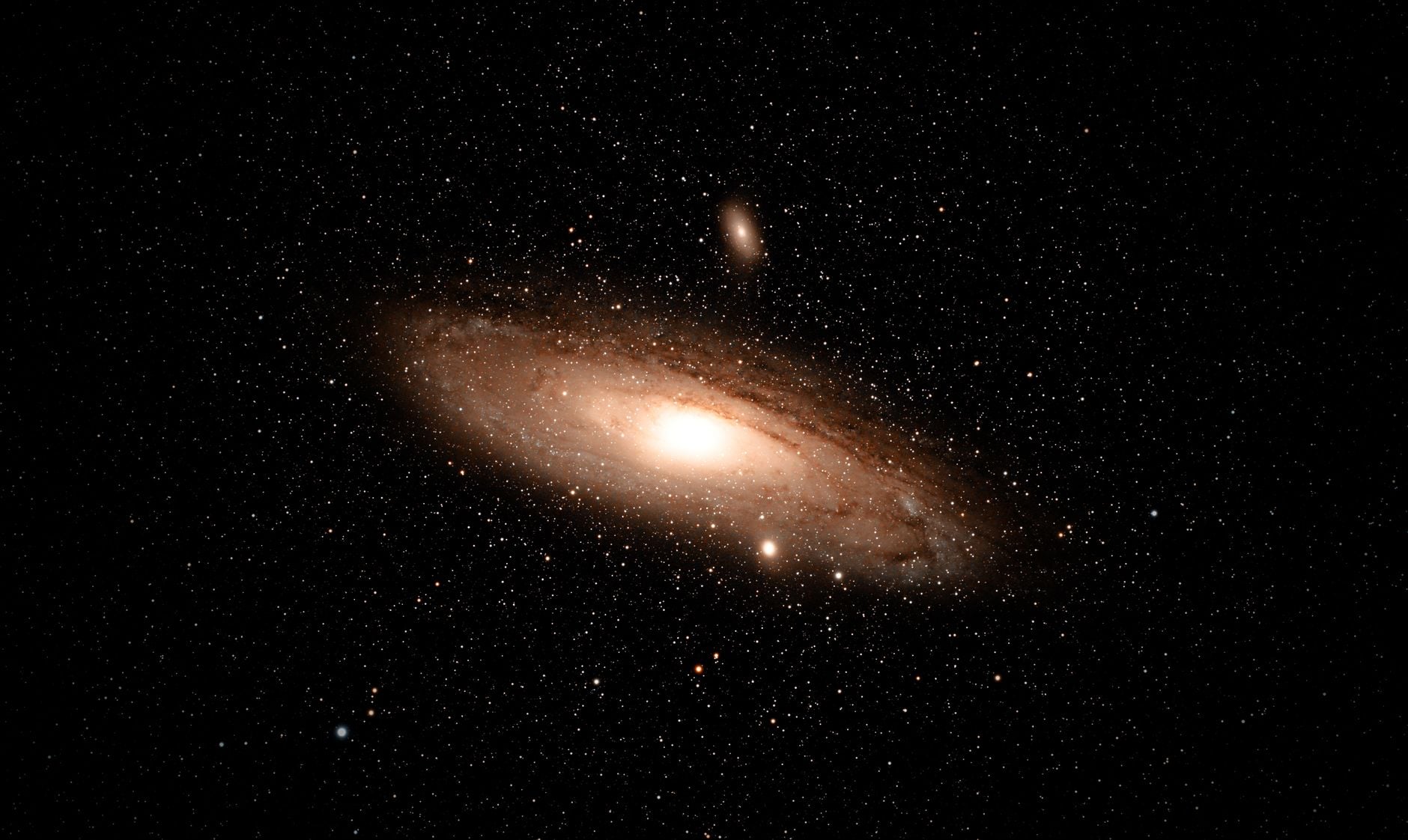
Astronomers long expected the Milky Way and Andromeda to collide in about 4.5 billion years — but a 2025 study in Nature Astronomy, using Hubble and Gaia data, estimated only a roughly 50–50 chance of the galaxies merging within the next 10 billion year - Space Daily
The 2025 estimate depended on uncertain motions and neighbouring galaxies. A 2026 follow-up put the merger probability higher, showing why the forecast remains sensitive to the measurements.
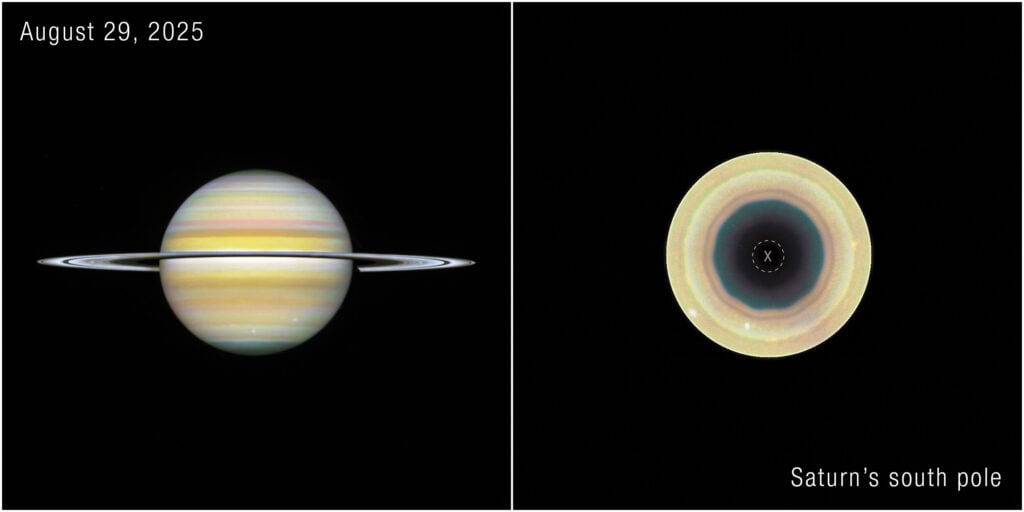
Astronomers using Hubble found a new roughly 104,000-mile-wide ten-sided storm forming at Saturn’s south pole, a geometric twin to the famous hexagon that has long circled the north - Space Daily
Saturn’s symmetry breaks: a ten-sided storm now mirrors the planet’s legendary hexagon, suggesting these geometric puzzles obey deeper physics we’re only beginning to understand.
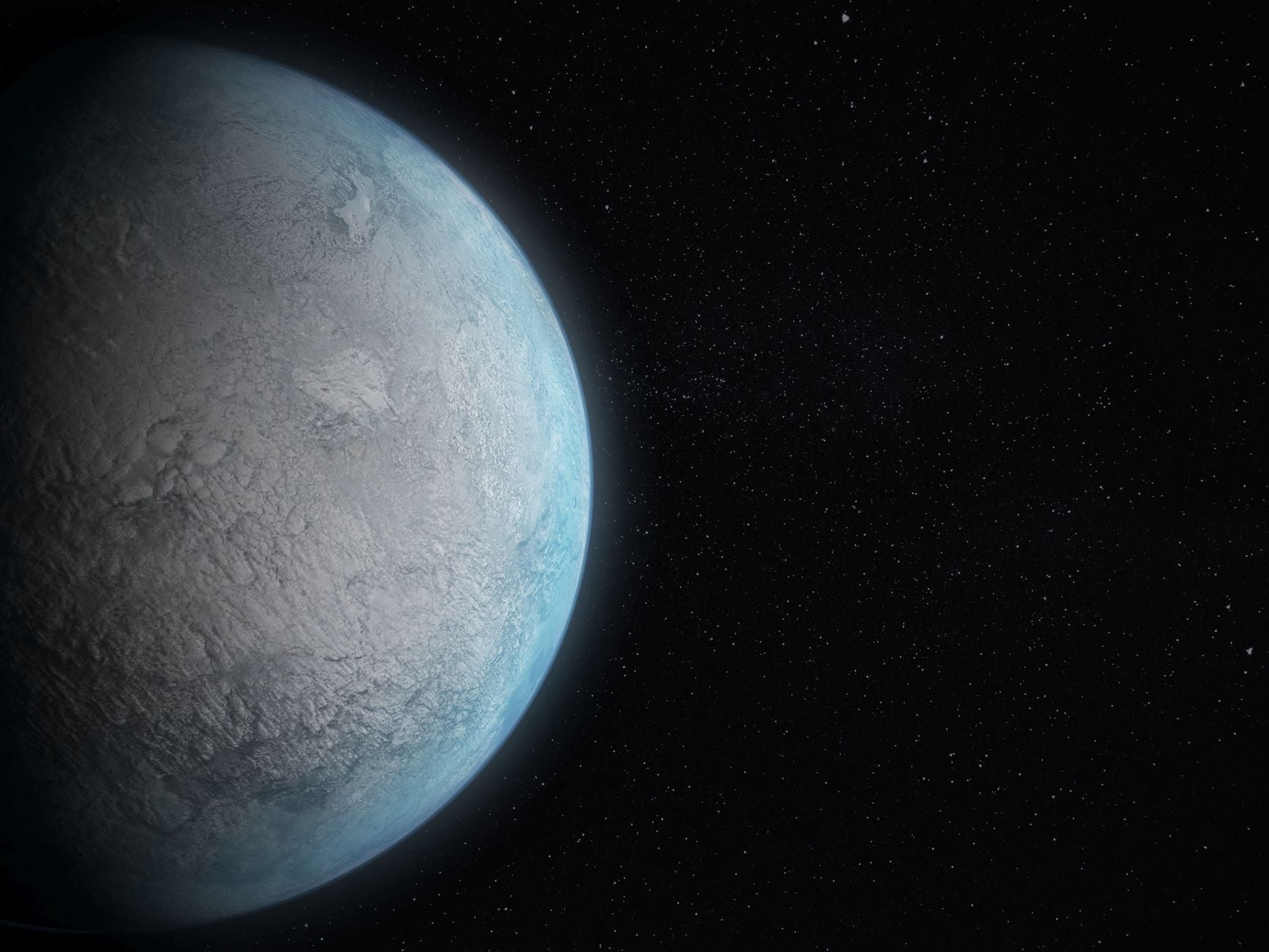
Triton likely formed in the outer solar system before Neptune captured it, largely destroying the planet’s original moon system. JWST observations published in July 2026 suggest today’s inner moons reassembled from the wreckage — although Nereid may be - Space Daily
Webb spectra suggest Neptune’s inner moons were rebuilt from destroyed icy interiors, while separate evidence casts eccentric Nereid as a possible original survivor.

California experts crack earthquake predicting — and where a big one will strike next - New York Post
Researchers at a public university in California say they have developed a way to identify the most likely locations of some of the world’s biggest earthquakes.

Arctic Rivers Are Defying What Scientists Thought They Knew About Erosion - ScienceAlert
Scientists have to follow the data, even if it doesn’t make sense.
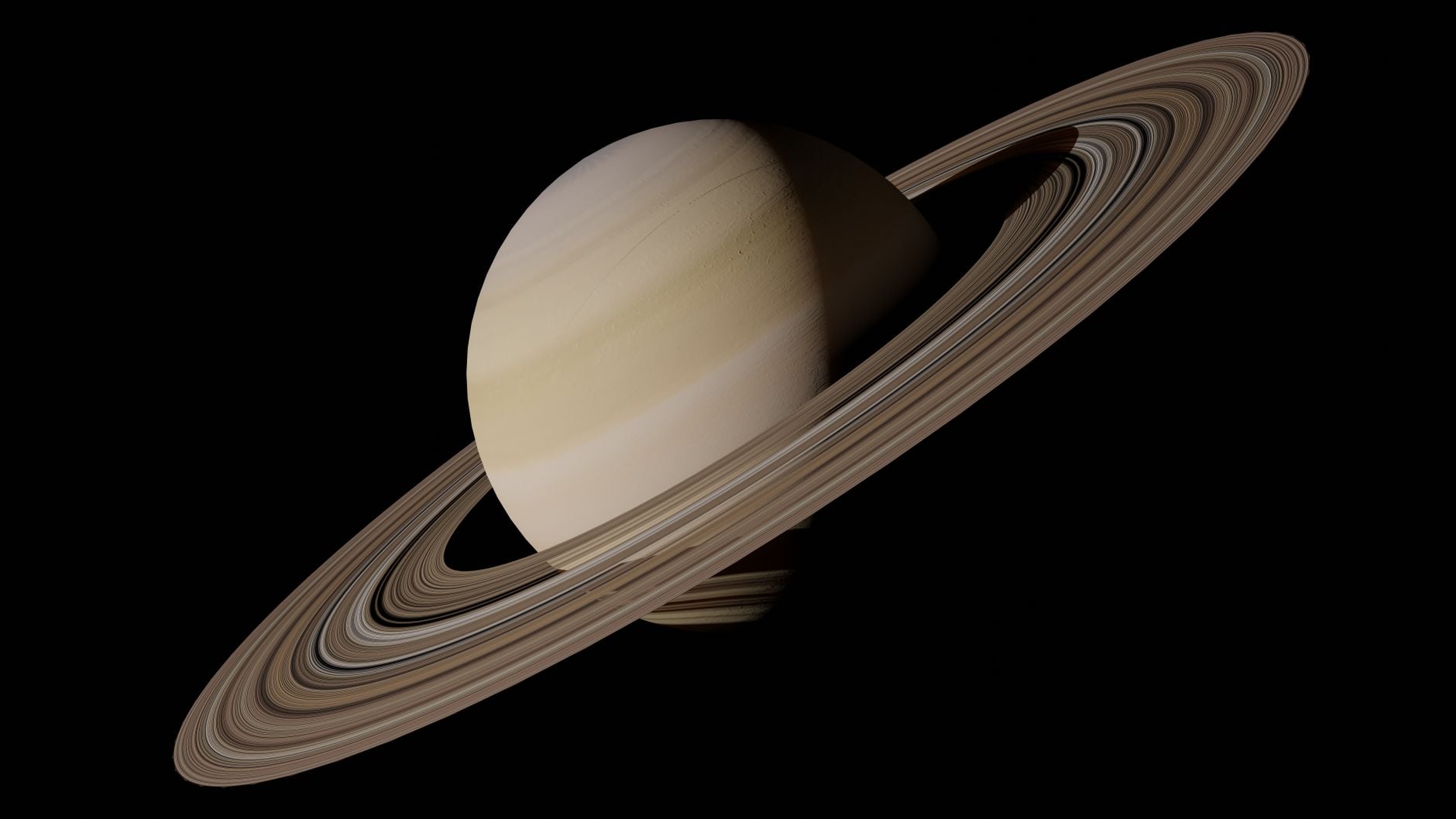
Enceladus is just 504 kilometres across — roughly half the length of Great Britain — yet a 2026 study traced its electromagnetic Alfvén-wave wake at least 504,000 kilometres downstream through Saturn’s magnetosphere, farther than the Moon ever travels fro - spacedaily.com
Cassini data reveal that tiny Enceladus drives a main and reflected Alfvén-wave system through Saturn’s magnetosphere for at least half a million kilometres.