News Categories
Latest News
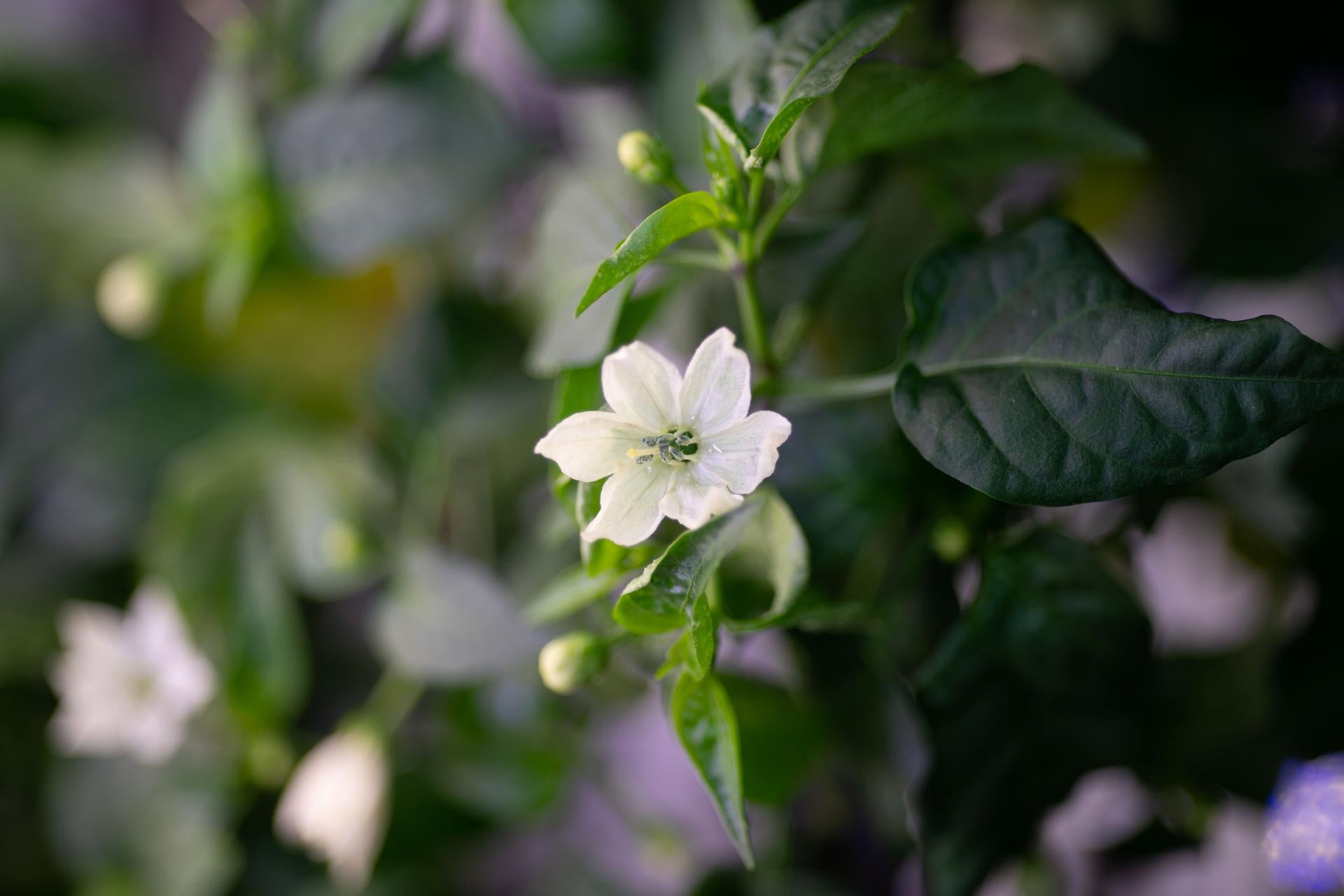
In 2021, NASA grew Hatch chile peppers aboard the ISS for 137 days; four plants in the Advanced Plant Habitat yielded 26 peppers, and the stems holding flower to fruit grew straight instead of curved as they do on Earth - Space Daily
Weightlessness doesn’t just change how astronauts move—it rewires how plants grow, forcing botanists to rethink agriculture’s fundamentals for space.
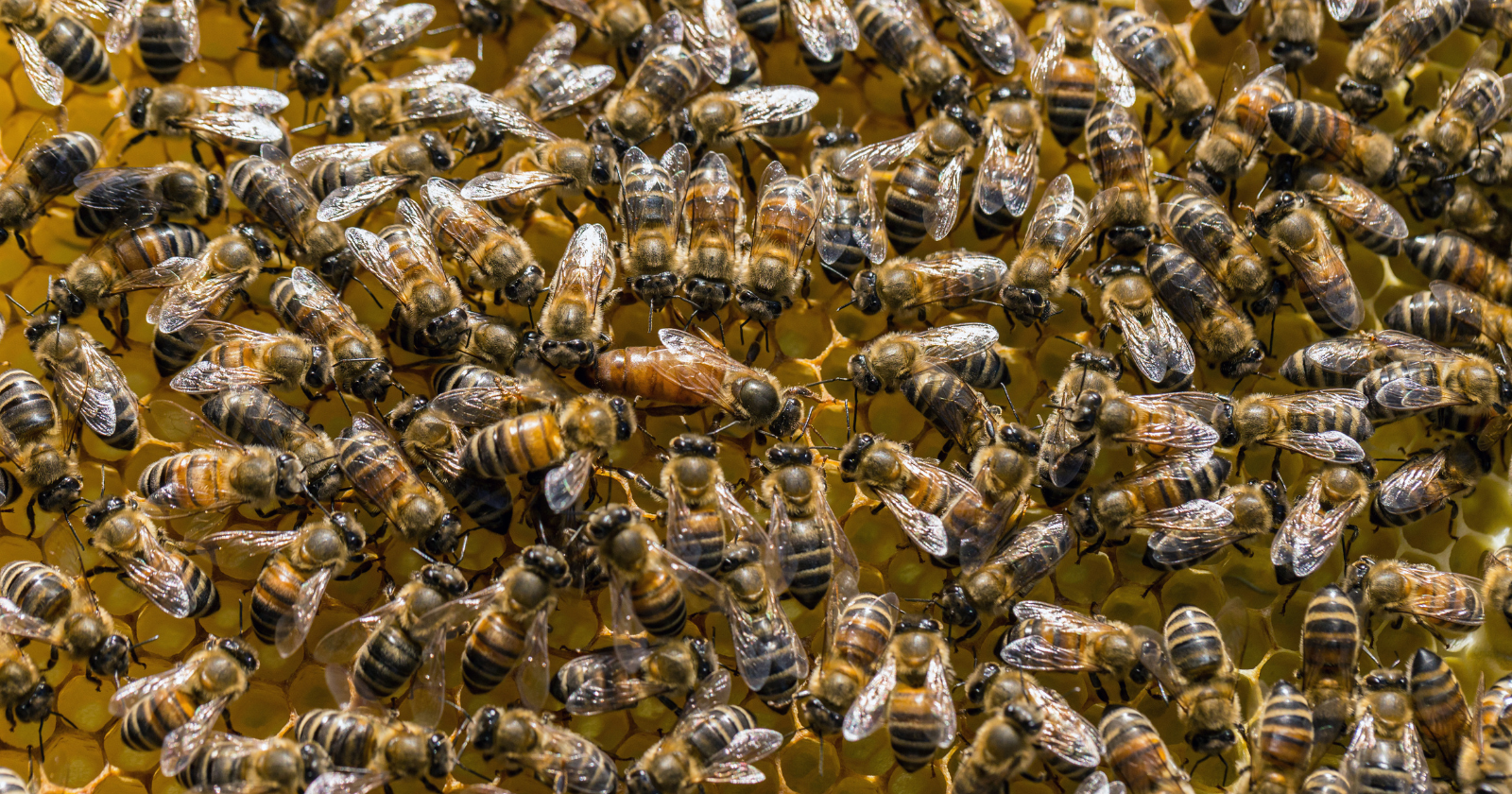
Scientists found an estimated 5.5 million wild bees living beneath a New York cemetery — millions of solitary insects packed into underground burrows across just 1.5 acres, creating one of the largest nesting aggregations ever recorded at a site where the spe - Space Daily
A shortcut through a graveyard revealed millions of bees living invisibly beneath New York soil—a discovery that rewrites what scientists thought possible about solitary insect colonies.
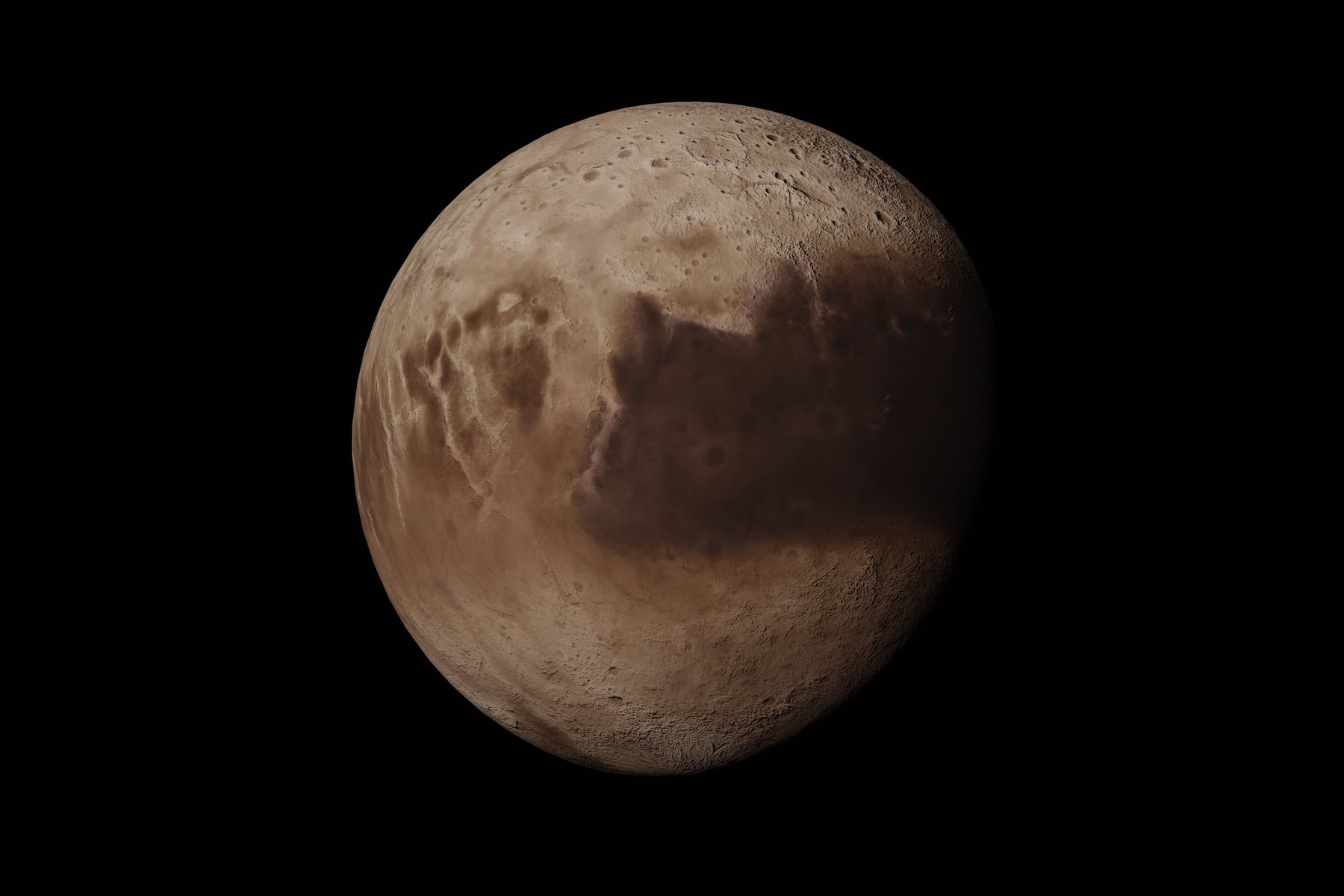
Despite being only about half Earth’s diameter, Mars has nearly as much total surface area as all of Earth’s continents combined—the difference is that oceans cover 71% of our planet, while modern Mars has no permanent bodies of liquid water. - Space Daily
Mars has about 97% as much surface area as Earth’s dry land, a geometrical coincidence created by the oceans covering most of the larger planet.
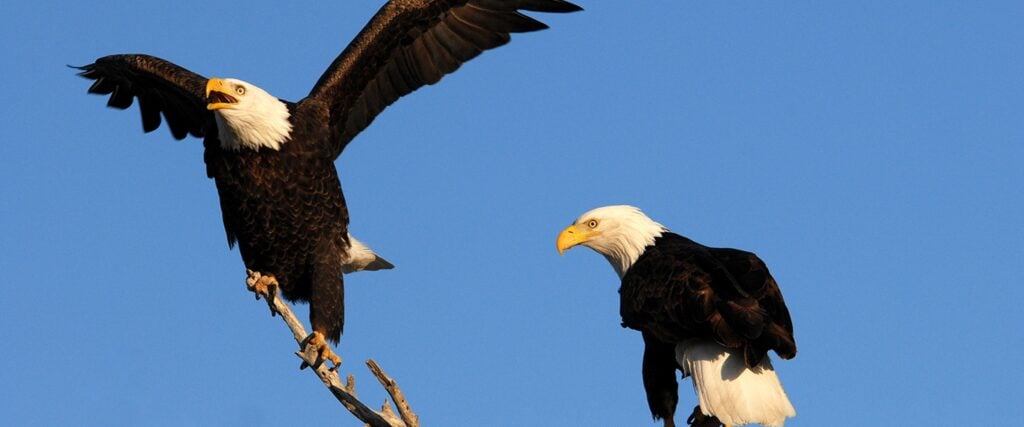
OpenAI cofounder Greg Brockman and his wife Anna put $5.5 million toward buying the 63-acre Moon Camp shoreline at Big Bear Lake, stopping a planned 50-home marina near the Jackie and Shadow bald eagle nest - Space Daily
An AI executive’s $5.5 million gift saves a California lakeside nesting ground from development, protecting the eagles whose livestreamed lives captivate millions.
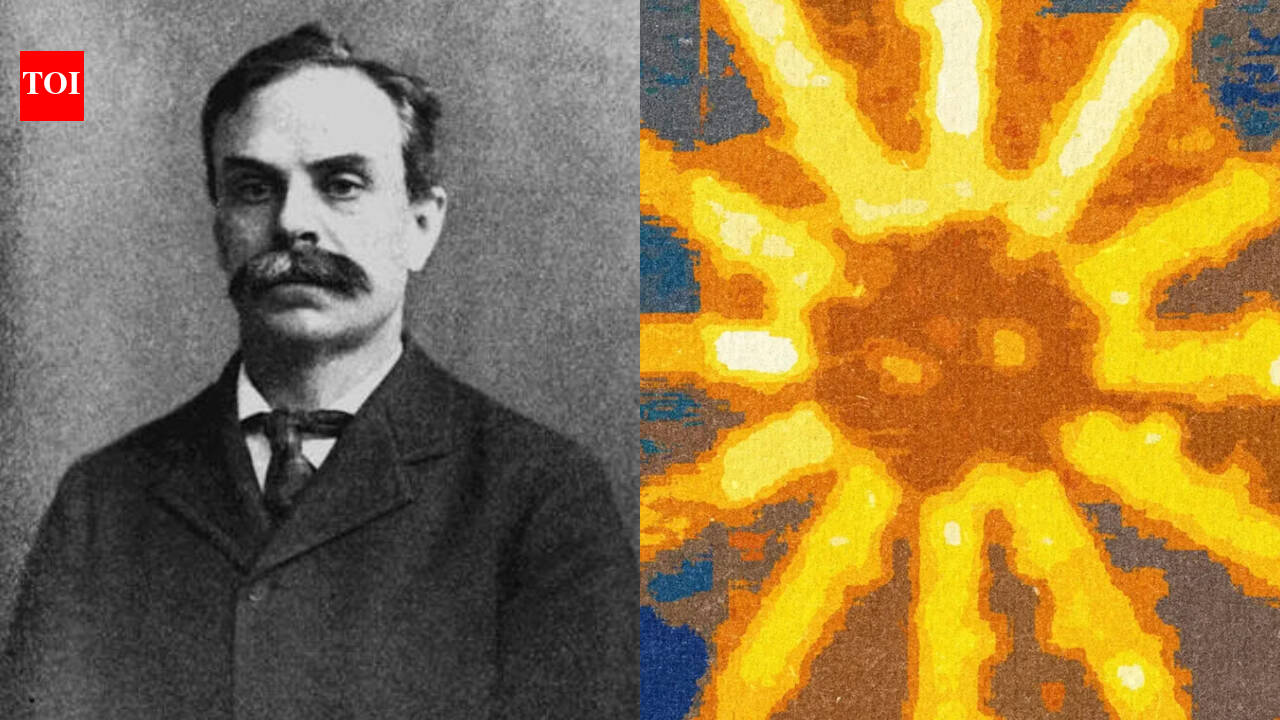
In 1879, Edwin Hall discovered an electrical effect thought to need a perpendicular magnetic field; 147 y - The Times of India
Science News: For more than a century, the Hall effect has been taught with a simple picture that electricity flows through a material, a magnetic field pushes the .

China unveils plans to beat US in retrieving Mars samples - yahoo.com
The robotic Tianwen-3 mission would travel to the Red Planet, collect 500 grams of samples and return them to Earth by 2031.