News Categories
Latest News

FAST finds two mysterious hydrogen clouds with no visible stars - Phys.org
Astronomers have found two clouds of hydrogen near the Whirlpool galaxy that appear to contain almost no stars. The clouds, discovered with China’s FAST radio telescope, each contain roughly 3 million times the mass of the sun in hydrogen but have no detectab…
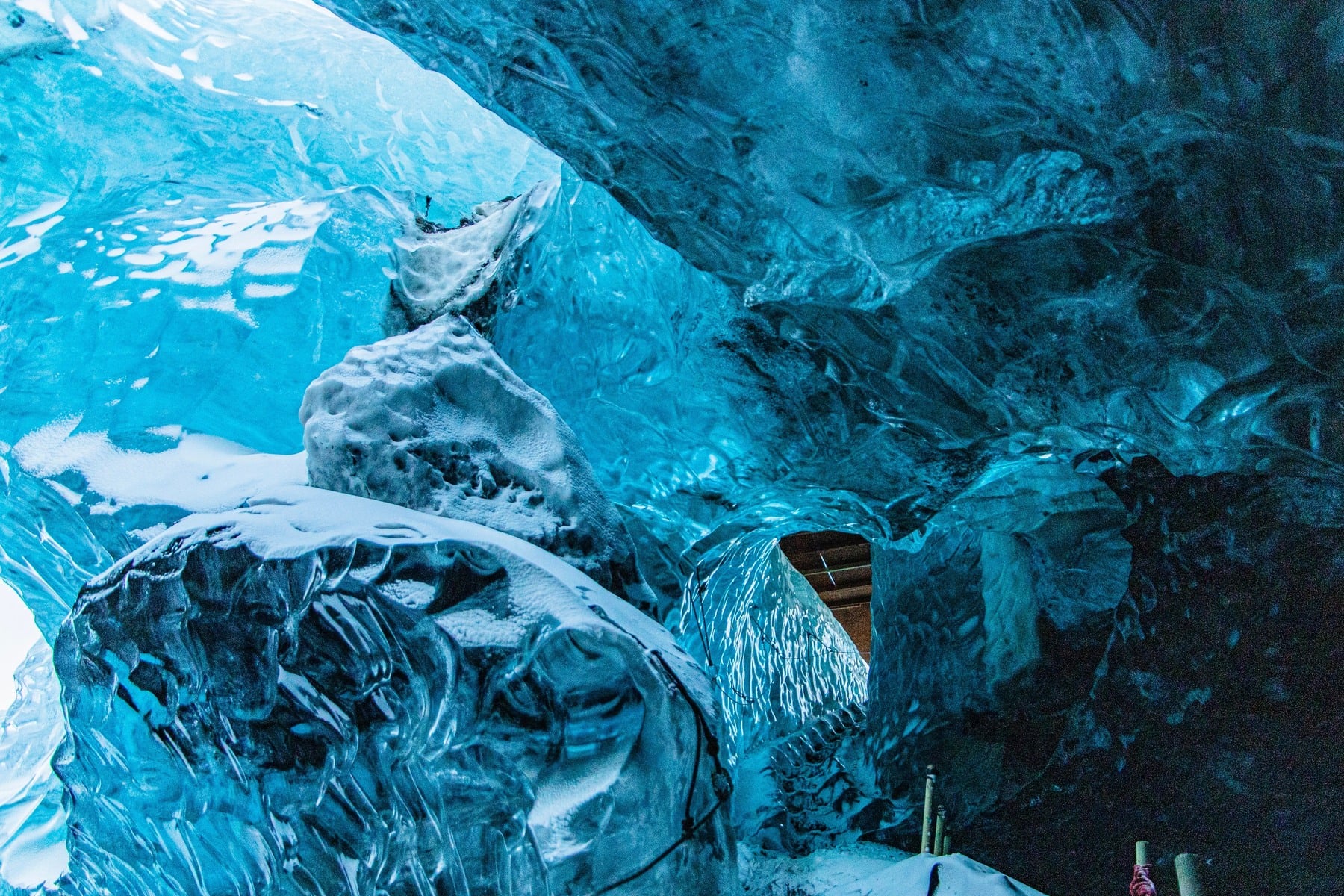
Ganymede may hold more liquid water than all of Earth’s oceans combined, yet this immense reservoir is buried beneath roughly 150 kilometres of ice—and scientists still do not know whether any of it has ever reached the surface. - spacedaily.com
Magnetic and auroral evidence points to a vast ocean beneath Ganymede, but surface salts do not yet prove a direct connection through its roughly 150-kilometre ice shell.
Breakthrough Quantum Test Resolves a Major Cosmic Mystery - 404 Media
Using an advanced new instrument, scientists observed Einstein’s equivalence principle on a free-falling quantum object, demonstrating that this prediction of general relativity also holds up in quantum physics.
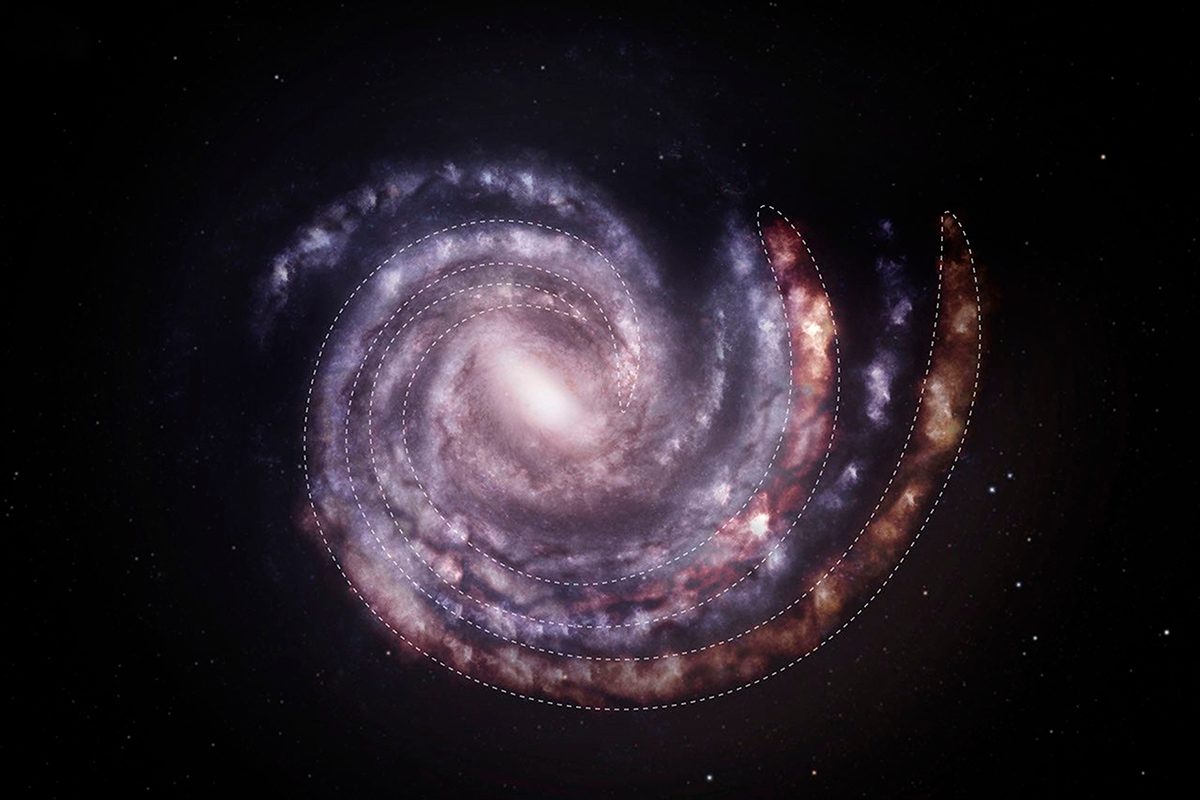
Have we got our Galaxy completely wrong? Scientists just worked out it's much wider than they thought - BBC Sky at Night Magazine
New measurements of our Milky Way Galaxy show its spiral arms lie up to 10 per cent farther away than expected.

Some disagreement makes groups more trustworthy, mathematical framework finds - Phys.org
When humans are making decisions, they are known not to rely solely on their own considerations and the evidence available to them. Past behavioral science and psychology studies have shown that people are often also influenced by the choices and opinions of …
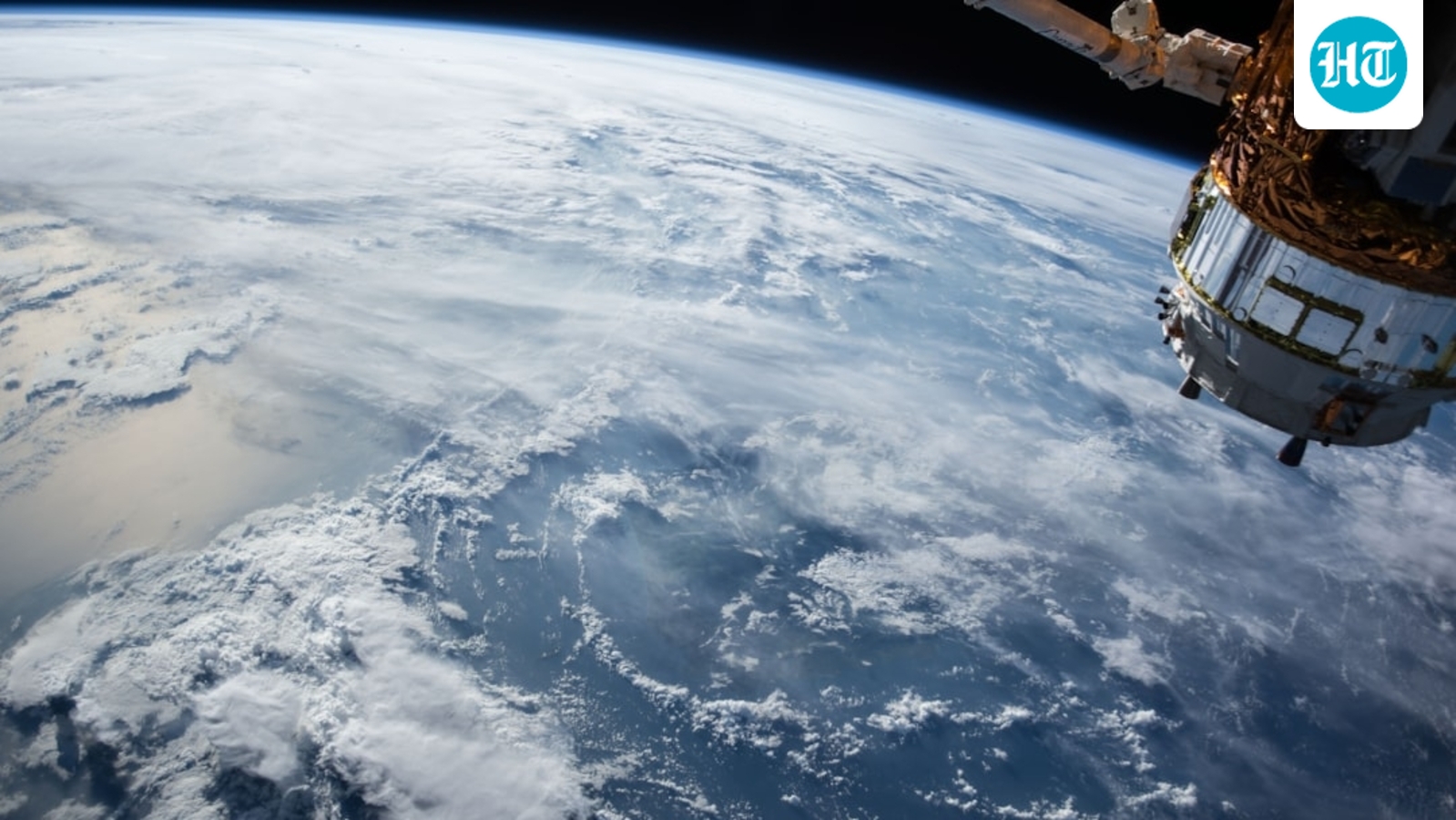
46,590 tracked objects, another 1.2 million we can't see: The mess humans have created in space | Hindustan Times - Hindustan Times
Defunct satellites, spent rocket stages, anti-satellite tests and mega-constellations have turned Earth’s orbit into a crowded shell. A SimplyPut guide.