News Categories
Latest News

Why doesn't Venus have a moon? A new study may have the answer - Phys.org
Venus is one of the solar system’s most unusual planets. It may sometimes be called “Earth’s twin” because of its similar size and density, but it rotates on its axis in the opposite direction of most planets, has surface temperatures hot enough to melt lead …
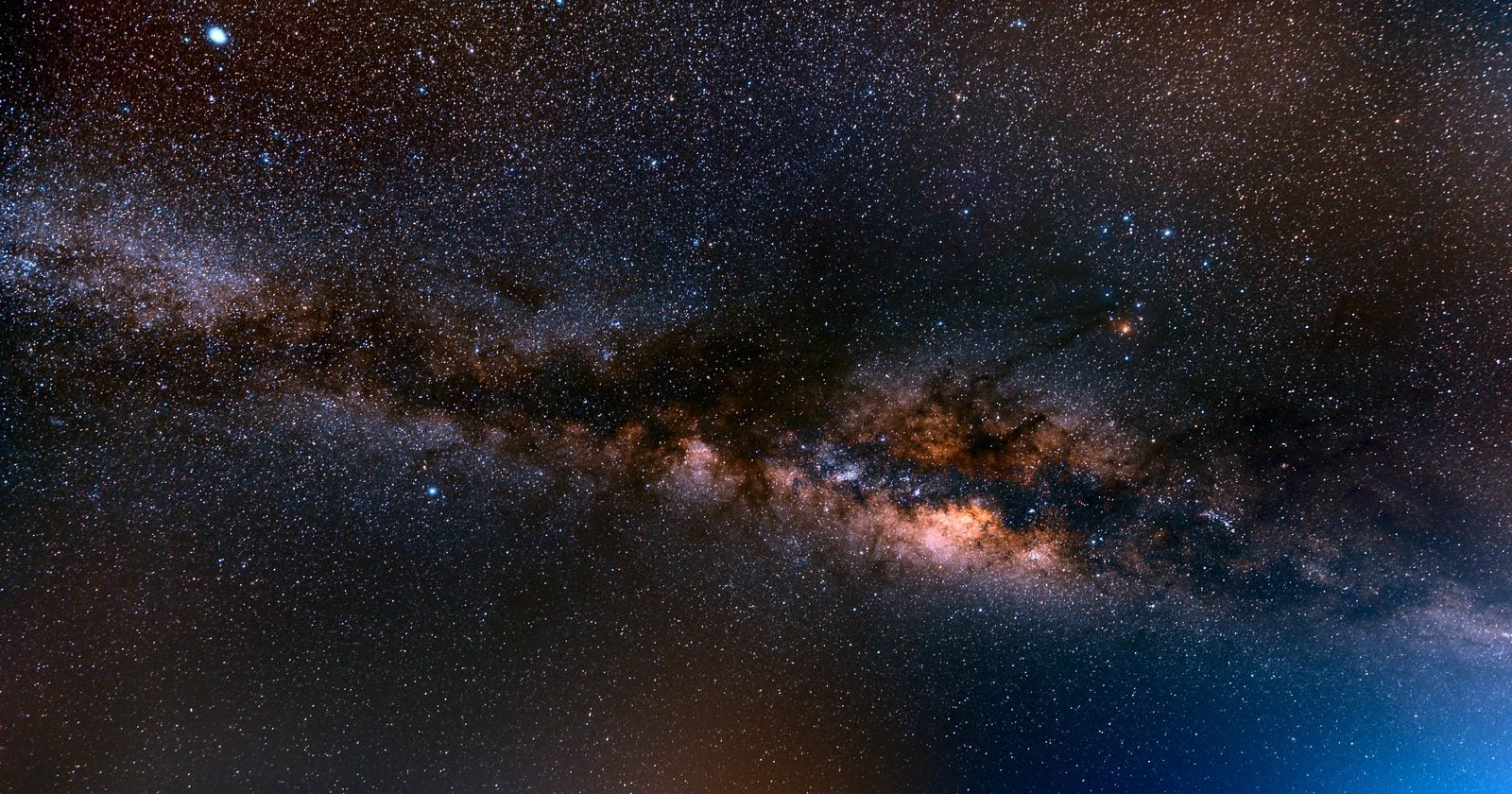
An 18-year-old high school senior from Pasadena wrote machine-learning code to comb 200 billion entries of raw infrared sky data, sorted what came back, and in 2025 found 1.5 million new potential objects - Space Daily
A teenager weaponized a decade of archival telescope data to unearth 1.5 million celestial mysteries that professional astronomers had missed.
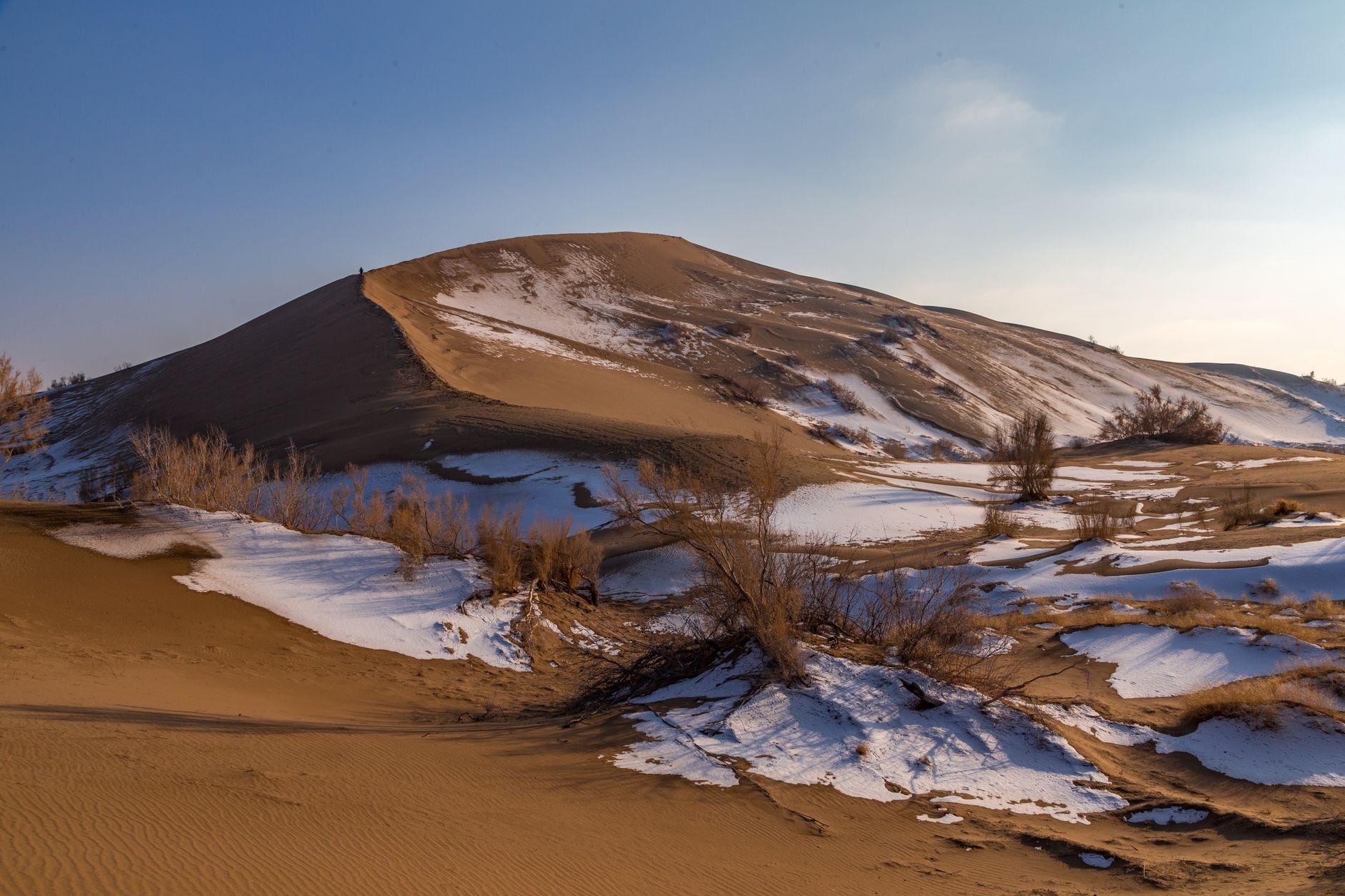
What winter means on Mars: temperatures can plunge to −130°C, carbon dioxide falls as snow or freezes directly onto the ground, as much as 16% of the atmosphere becomes part of the winter polar cap, and air pressure planet-wide swings by roughly 25% o - Space Daily
Mars winter can turn atmospheric carbon dioxide into snow and frost, shifting trillions of tonnes of gas into a polar cap and changing pressure across the planet.

New map of a male fly central nervous system includes all 166,000 neurons — and enables direct comparisons to female fly brain - Yahoo
A new map of the adult male fruit fly brain and nerve cord includes over 166,000 neurons and the millions of connections between them.

When Georgia Tech scientists tipped out a tumbler of Titan-like organic grains, 2 to 5 percent refused to fall, held to the walls by static electricity. In comparable experiments with terrestrial sand and volcanic ash, nothing stuck. - Space Daily
Organic grain analogues clung to a nitrogen-filled tumbler after becoming charged, but later tholin tests show why the result cannot yet be assumed to describe Titan’s real dunes.
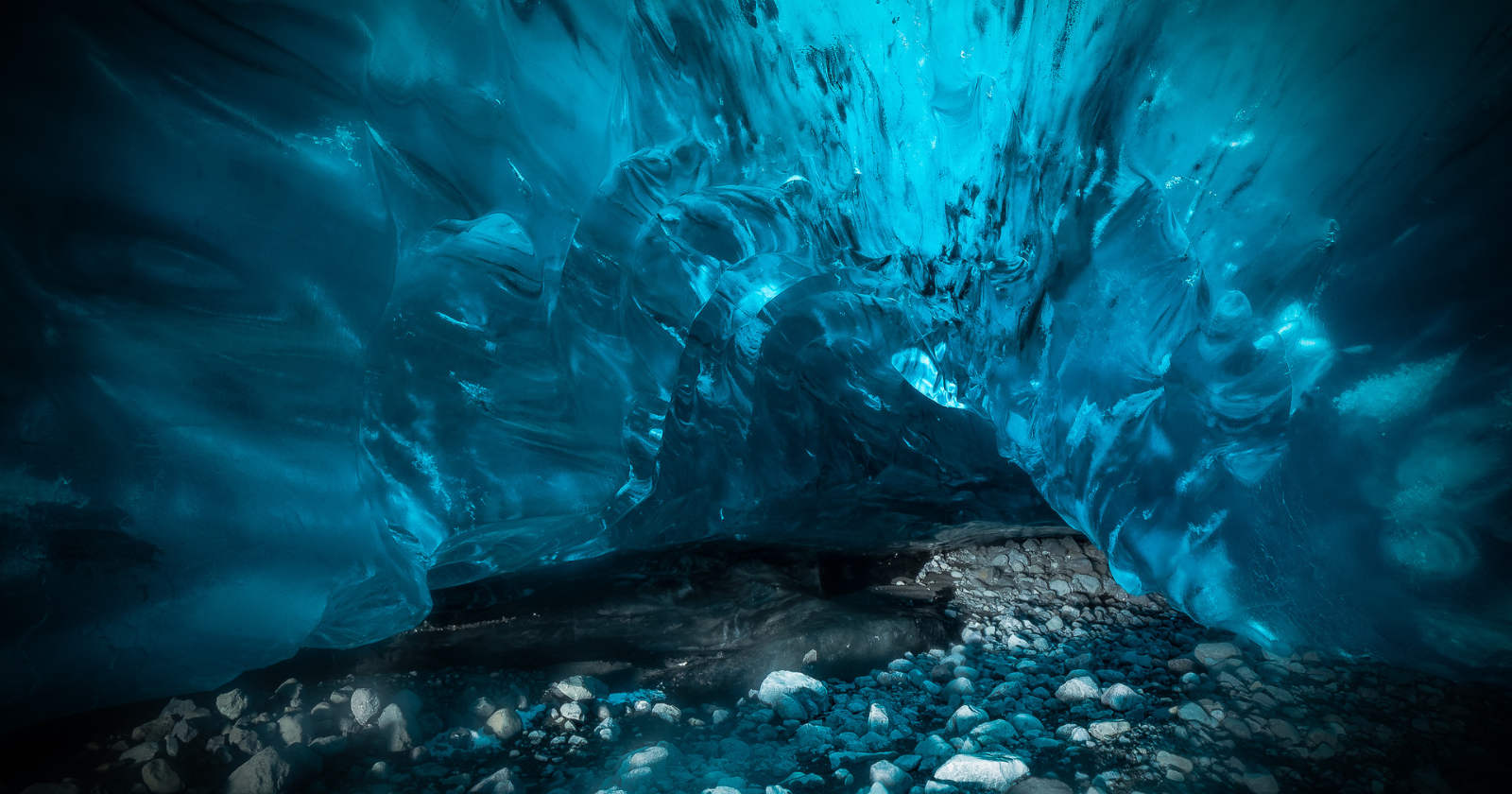
Nearly 300 metres beneath Mexico’s Chihuahuan Desert, miners tunnelling for ore broke into a chamber filled with crystals as long as a bus — giant beams of gypsum up to 11 metres long, hidden underwater for hundreds of thousands of years until mine pum - Space Daily
The discovery challenges everything we thought we knew about how giant crystals form — and raises urgent questions about what else lies hidden in Earth’s deep aquifers.