News Categories
Latest News

Scientists Simulated What Earth Would Be Like if Life Never Existed - ScienceAlert
We’re here.
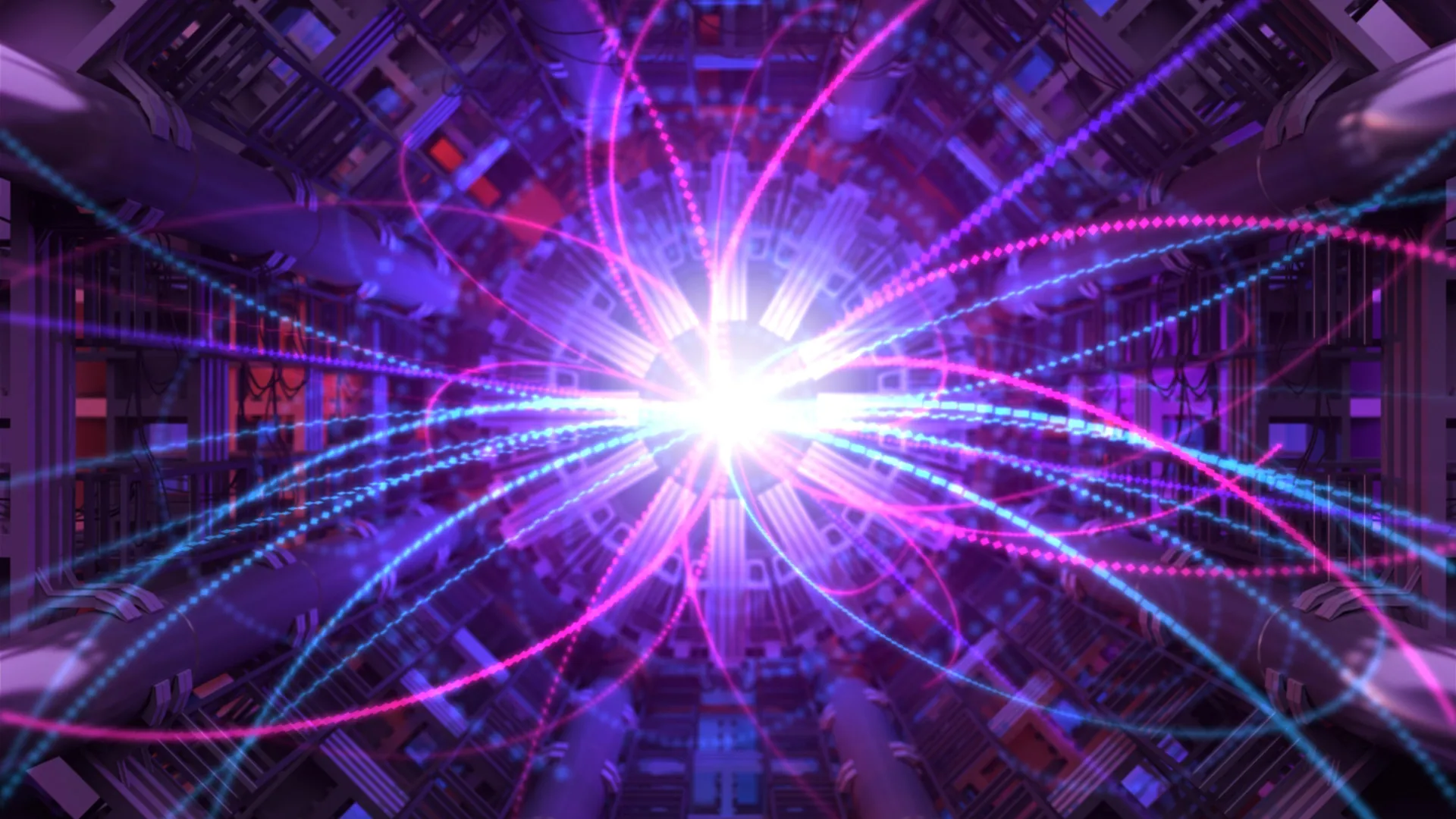
After 40 years, CERN finds evidence of a one-in-10-billion particle decay - Science Daily
CERN scientists have finally found evidence of a particle decay so rare that it happens only once in roughly 10 billion decays, ending a search spanning more than 40 years. The breakthrough could help physicists uncover hidden particles and forces that lie be…

Accidental discovery enables room-temperature recrystallization of molybdenum - Phys.org
Researchers at the University of Rochester and Technion–Israel Institute of Technology accidentally discovered a new way to rearrange the internal structure of molybdenum—an extremely heat-resistant metal—at room temperature. Molybdenum is typically used to r…

Every second matters... or does it? The way we tell time is expected to change - KATU
Global timekeeping is set for a shake-up: scientists voted to move to “continuous UTC,” ending leap seconds as Earth’s spin speeds up. The shift, slated for May 20, 2027, could avert risky “negative” leap seconds.

3-million-year-old Taung Child once again shakes up our human family tree - Phys.org
A century after the Taung Child permanently altered our view of human origins, a new study published in npj Palaeoecosystems dates the famous fossil to between 2.96 and 3.03 million years old. Led by professor Gabriele Macho of the Archaeology, Environmental …
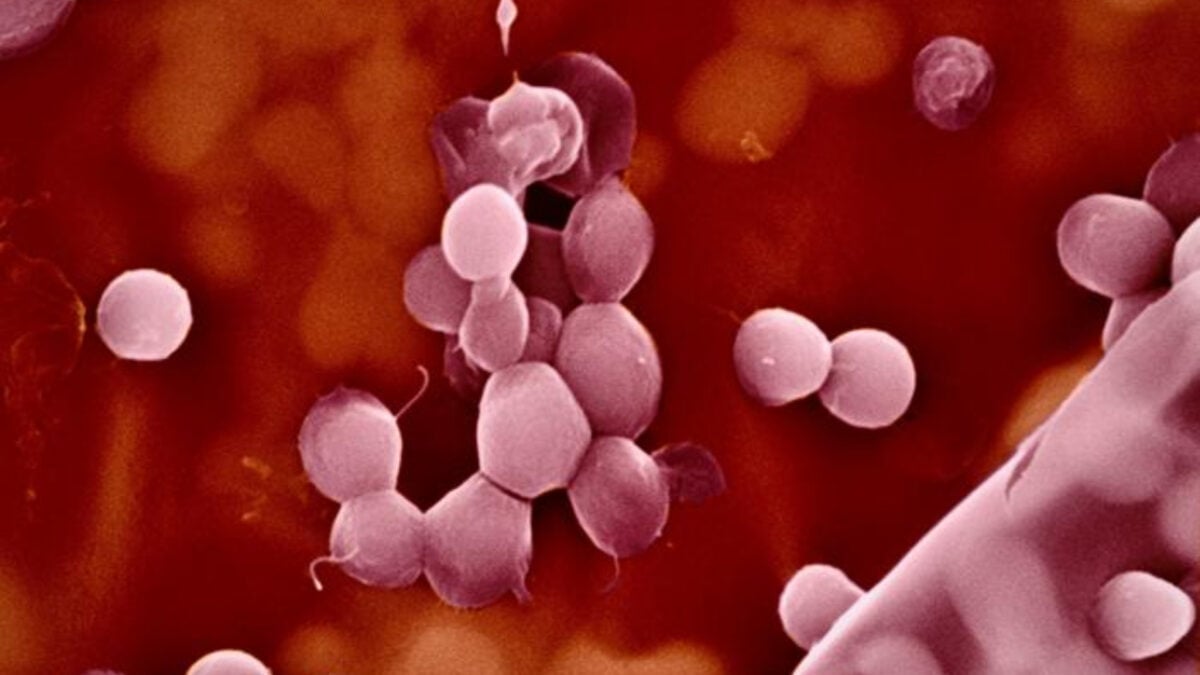
An Earth Microbe Can Grow in Simulated Mars Conditions - Gizmodo
The microorganism grew despite being stuck in oxygen-free, carbon-rich, low-pressure, and extremely salty environments.