News Categories
Latest News
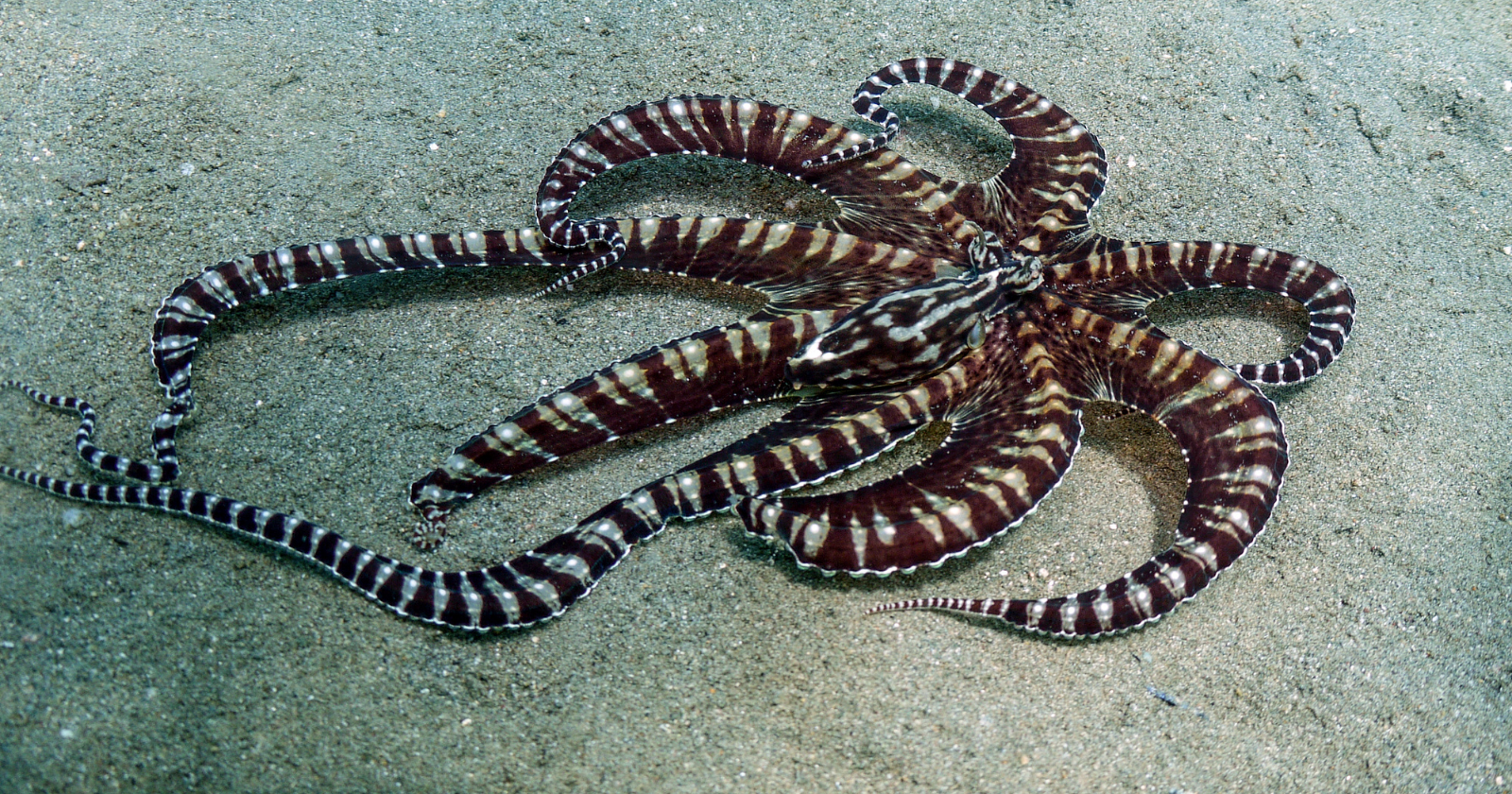
The mimic octopus off Indonesia can transform itself into a flatfish, lionfish or banded sea snake — and researchers have even watched it switch into the form of a predator of the fish attacking it, suggesting the disguise can change with the threat - Space Daily
A small octopus on Indonesia’s open seafloor has cracked an unexpected survival code: impersonate whatever predator is currently trying to eat you.
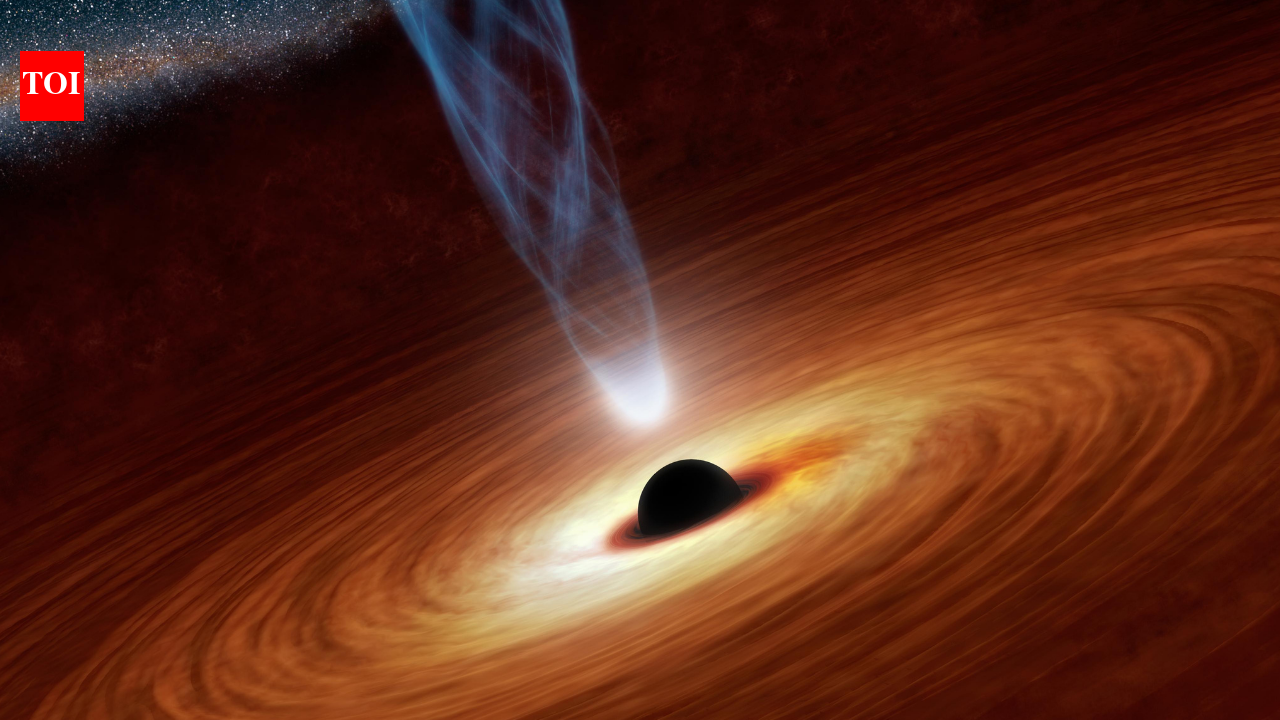
Astronomers hear a mysterious ‘hum’ across the universe; one explanation begins with strange dark stars 1 - The Times of India
Science News: Astronomers may have found a new way to investigate one of the biggest mysteries in cosmic history: how the Universe’s first supermassive black holes .
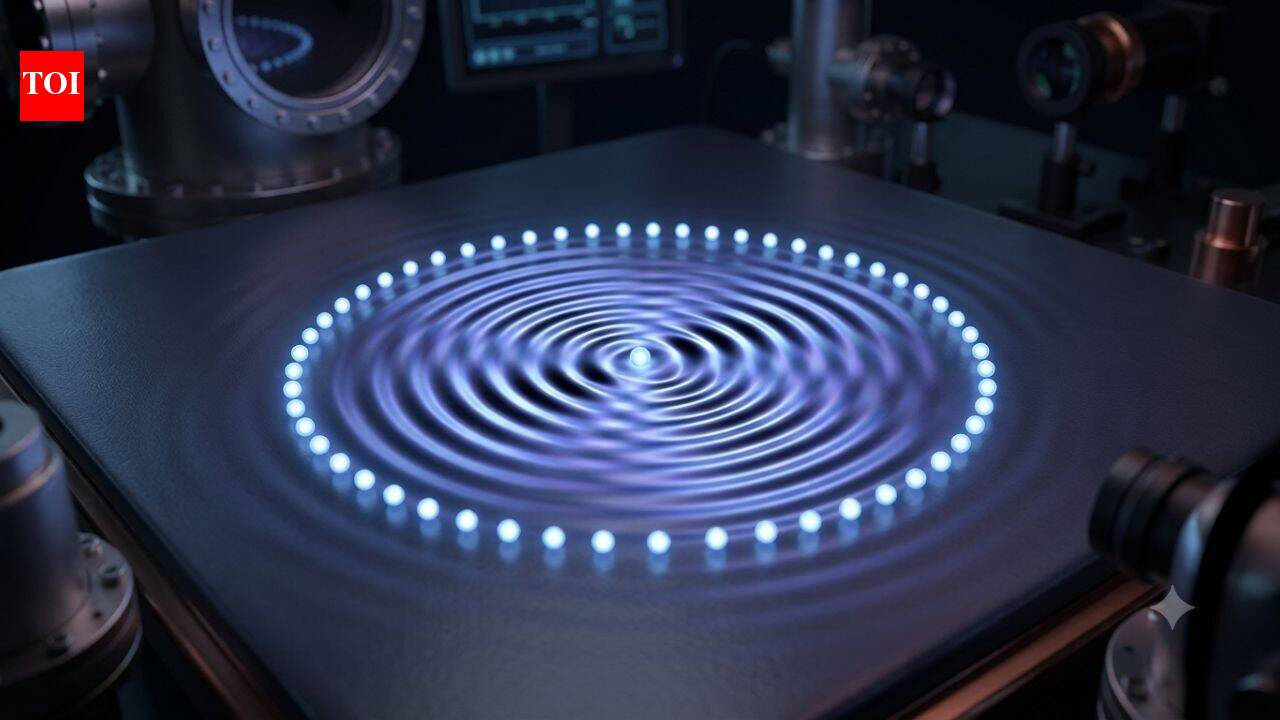
A Chicago physicist proposed a way to create quantum images 20 years ago; after two decades waiting for e - The Times of India
Science News: Dirk Morr, a physics professor at the University of Illinois Chicago (UIC), has developed a quantum imaging strategy that uses superconductors as tiny.

Scientists Create the Littlest Big Bang to Study the Universe’s Origins - WIRED
The discovery redefines how large atoms need to be to produce the extreme state of matter found in the early universe.

Scientists took 232 gravity readings across a Utah mountain and discovered 1.55 million cubic metres of i - The Times of India
US News: From a distance it looks like nothing more than a sprawling pile of rocks high in Utah’s Wasatch Range. But beneath the rubble of Mount Timpanogos is .
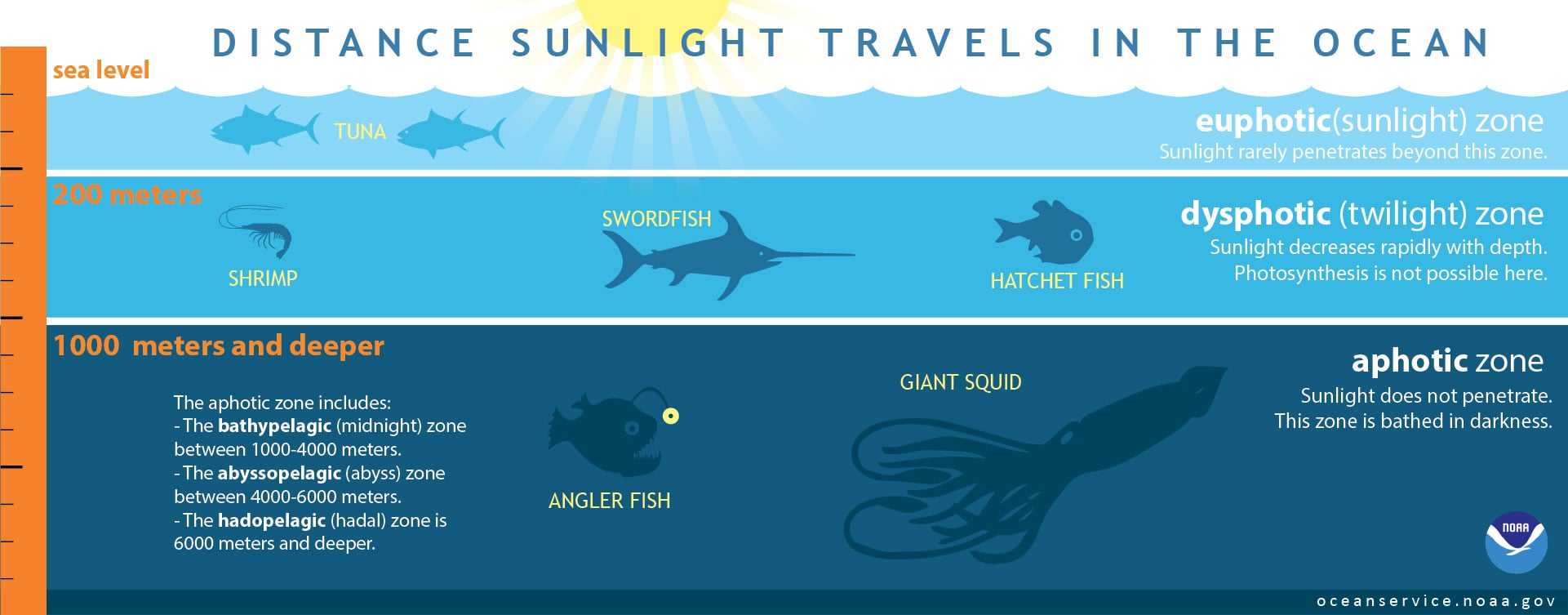
The ocean looks like one vast sunlit body of water, but below about 600 feet there is too little light for photosynthesis, and below 3,300 feet sunlight disappears entirely—leaving much of Earth’s surface in permanent darkness. - Space Daily
Photosynthesis is generally confined to the upper 200 metres of the ocean, while direct sunlight disappears below roughly 1,000 metres, leaving most ocean water aphotic.