News Categories
Latest News
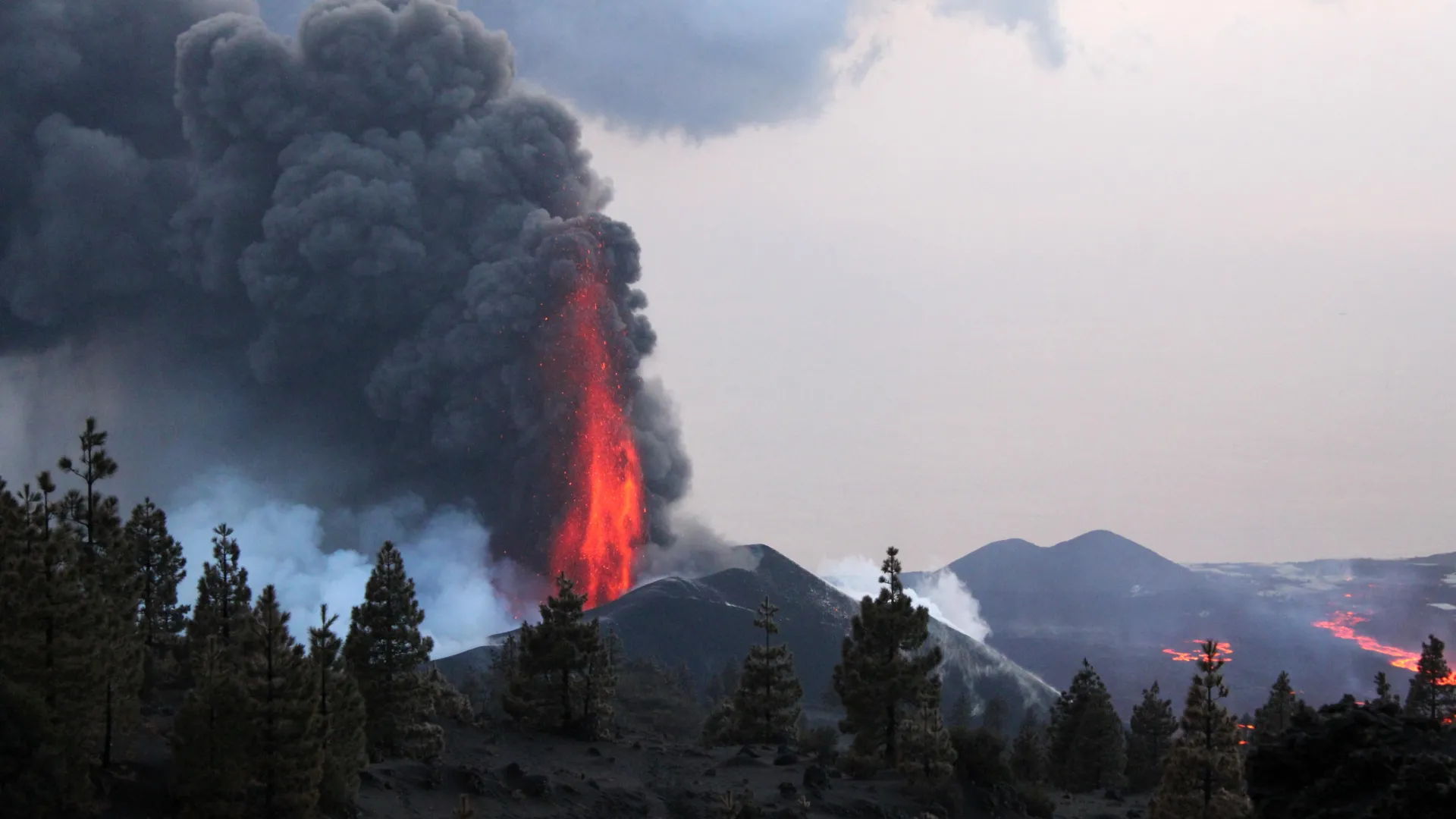
Superheated magma may power towering lava fountains - ScienceDaily
Scientists studying magma from the 2021 Tajogaite eruption on La Palma have discovered that extreme heat can dramatically change how an eruption unfolds. When magma becomes superheated, it can dissolve the tiny crystal seeds that normally trigger crystallizat…
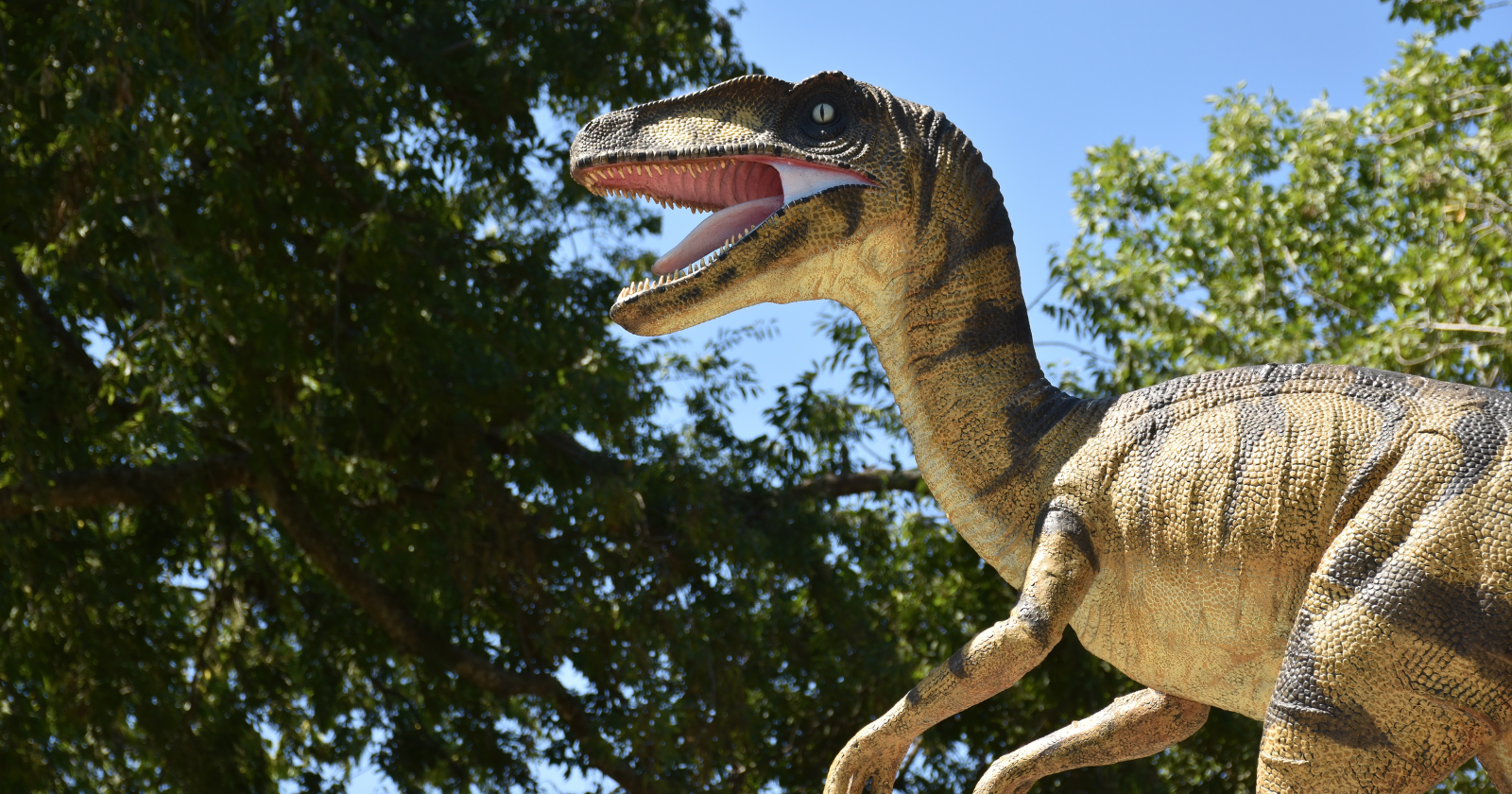
The Velociraptor stalking the kitchen in Jurassic Park was nearly two metres tall and scaly. The real animal barely reached your knee — about 15 kilos, roughly turkey-sized, and covered in feathers, with the quill anchor points still visible on a fossil forearm - Space Daily
Hollywood’s apex predator was a turkey-sized creature covered in feathers, a gap between blockbuster fantasy and paleontological reality that reveals how much we still misunderstand dinosaurs.
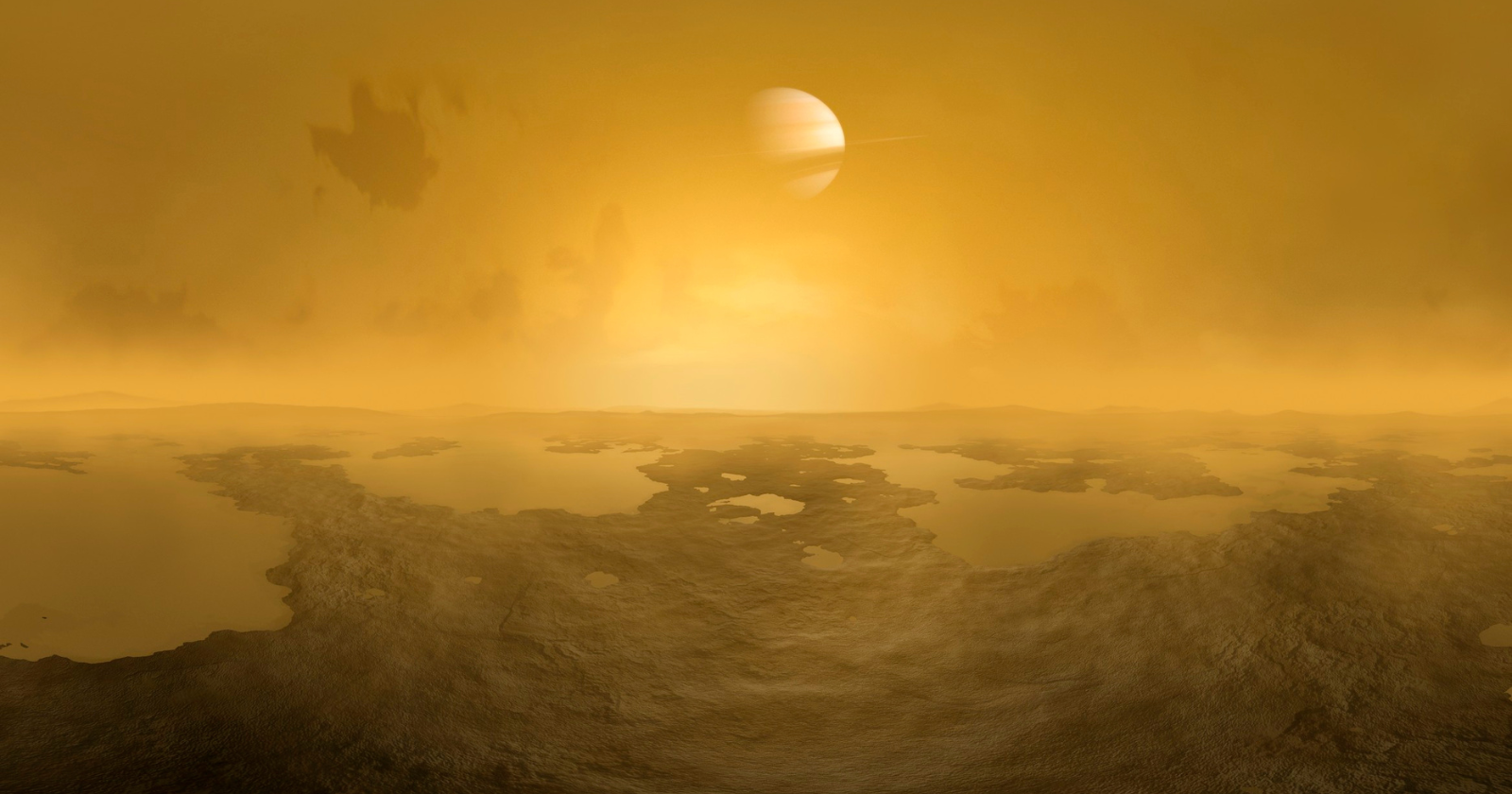
Saturn's moon Titan has rivers of liquid methane longer than the Nile's tributaries, but a 2025 Brown University study found that only 1.3% of those rivers form deltas — on Earth, nearly every river does, and nobody yet knows why Titan's don't - spacedaily.com
Titan’s vast methane rivers vanish into seas without leaving the telltale deltas that mark nearly every river on Earth—a geologic puzzle that challenges our understanding of how flowing liquids shape alien worlds.
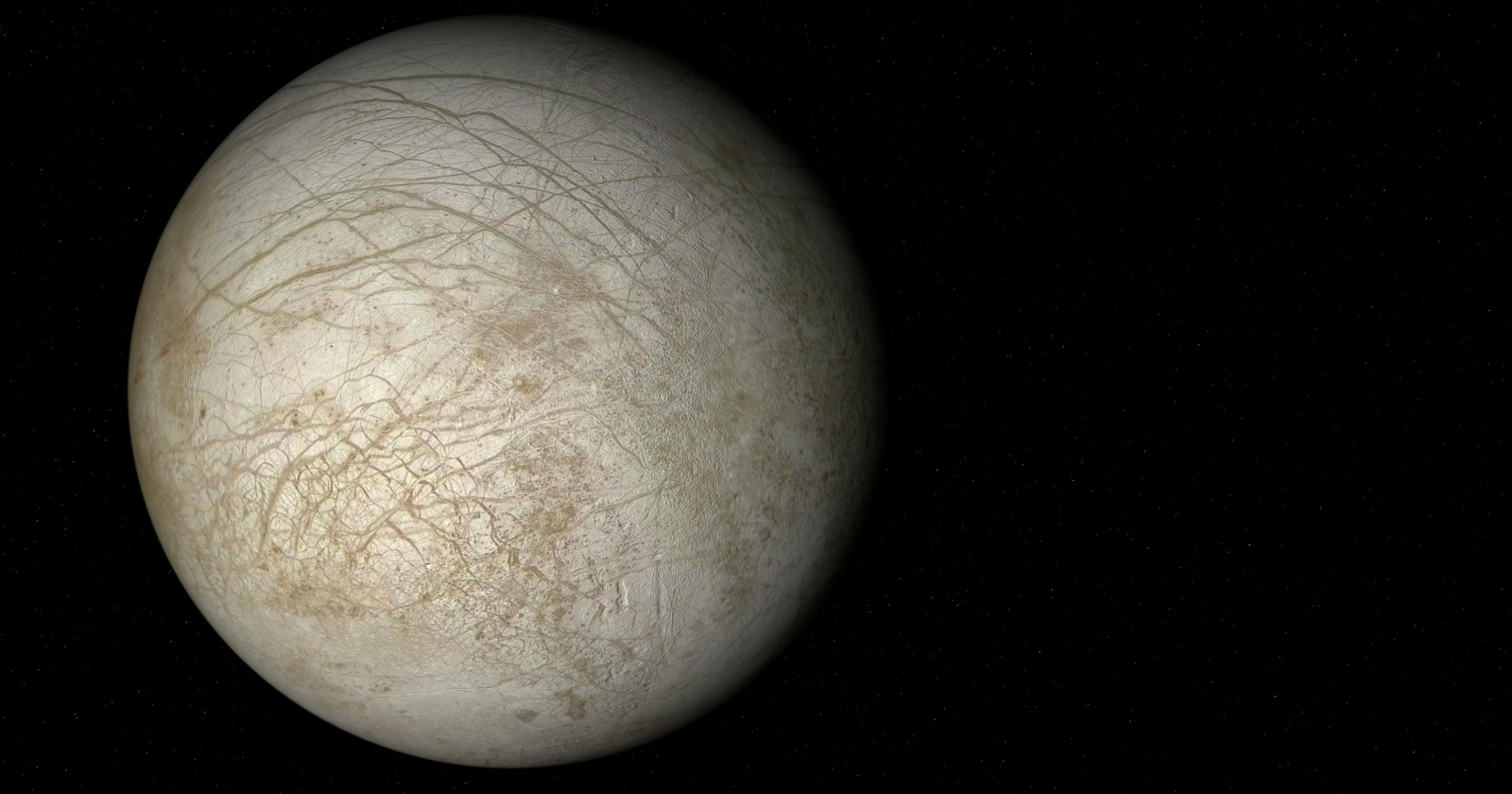
Europa is smaller than Earth's Moon, yet the ocean locked beneath its ice contains more liquid water than every ocean on Earth combined — kept from freezing not by sunlight, but by Jupiter's gravity squeezing the moon like a slow, endless fist - spacedaily.com
A distant moon harbors a hidden ocean vaster than Earth’s—sustained not by warmth from above, but by the relentless gravitational squeeze of its giant host.
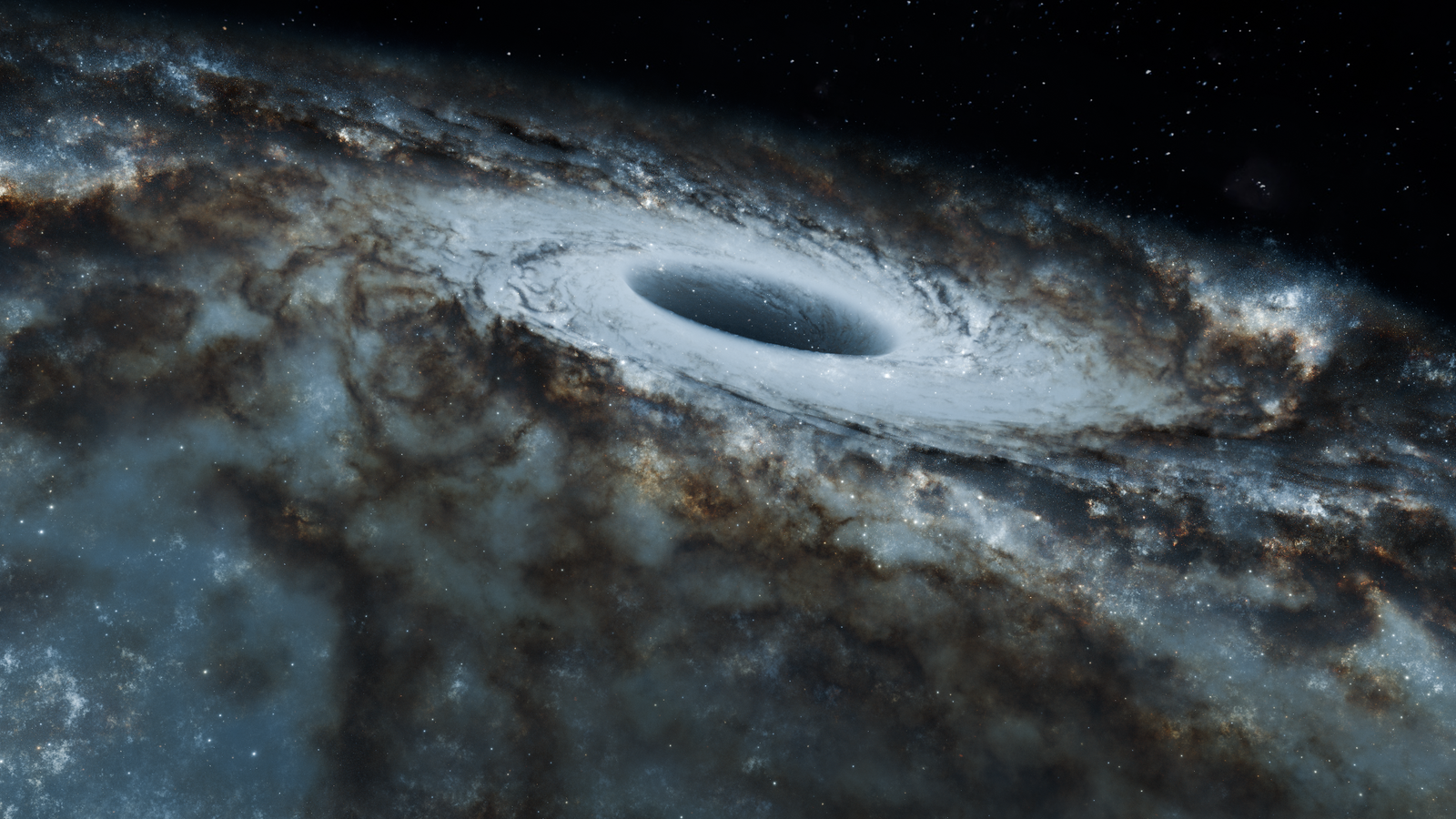
The James Webb telescope keeps finding supermassive black holes in the infant universe so large that a few appear to outweigh every star in their host galaxy combined, a ratio the standard picture of how these giants grew cannot easily explain - Space Daily
Our best models for how black holes grow may be fundamentally incomplete—the early universe contains behemoths that shouldn’t exist yet.
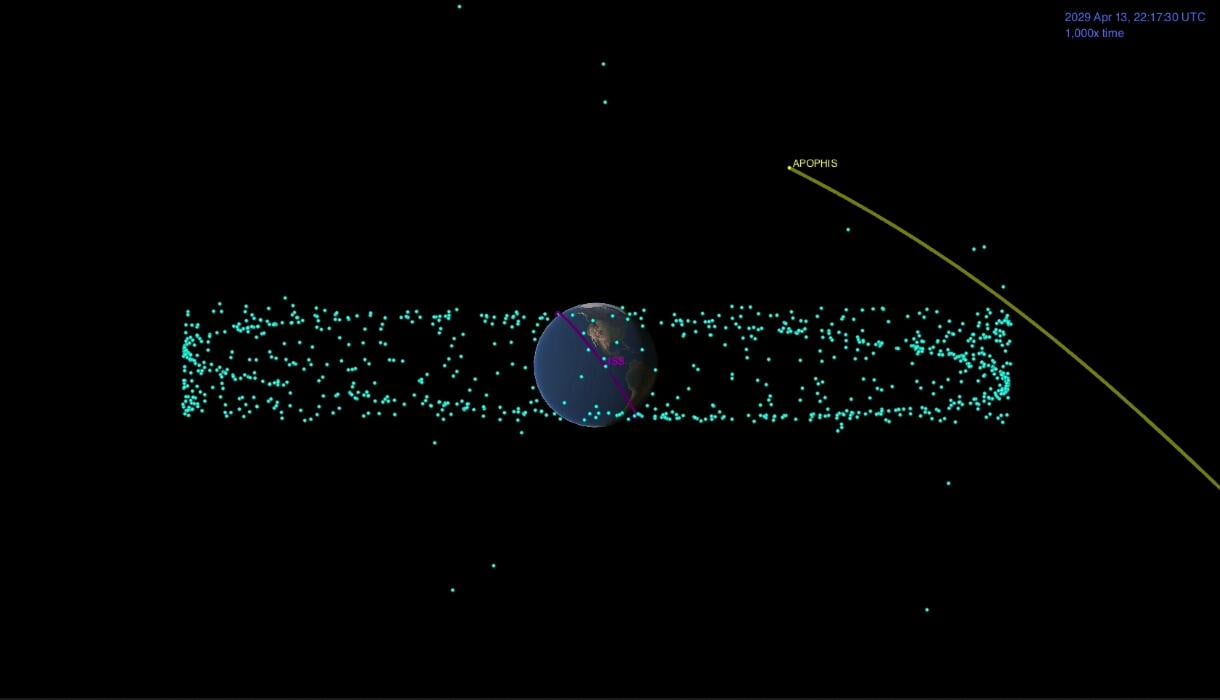
Asteroid Apophis, named for the Egyptian god of chaos, will pass closer to Earth on 13 April 2029 than many weather satellites do — roughly 32,000 kilometres from the surface — and up to 90% of the world's population may see it with the naked eye - Space Daily
For the first time, humanity will watch a mountain-sized asteroid sail closer than our weather satellites, close enough that nearly half the world might witness it without instruments.