News Categories
Latest News

THOR AI solves a 100-year-old physics problem in seconds - ScienceDaily
A new AI framework called THOR is transforming how scientists calculate the behavior of atoms inside materials. Instead of relying on slow simulations that take weeks of supercomputer time, the system uses tensor network mathematics and machine-learning model…
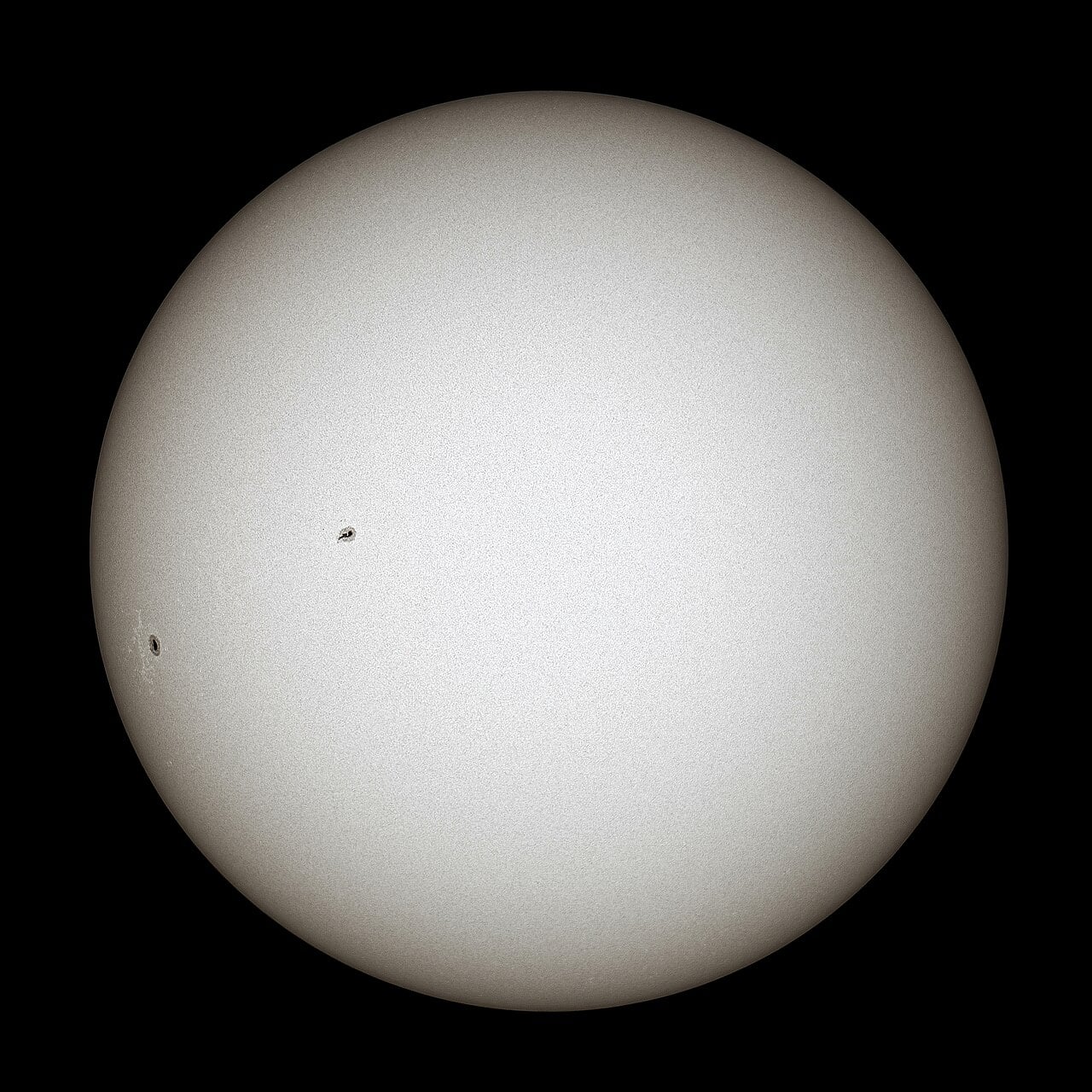
The Sun's Great Escape - Universe Today
Our Sun didn’t always call this quiet corner of the Milky Way home. New research using data from the European Space Agency’s Gaia satellite has uncovered evidence that the Sun fled the chaotic heart of our Galaxy four to six billion years ago and it didn’t go…

Starcloud files plans for 88,000-satellite constellation - SpaceNews
An orbital data center startup is seeking approval from the Federal Communications Commission for a constellation of as many as 88,000 satellites.
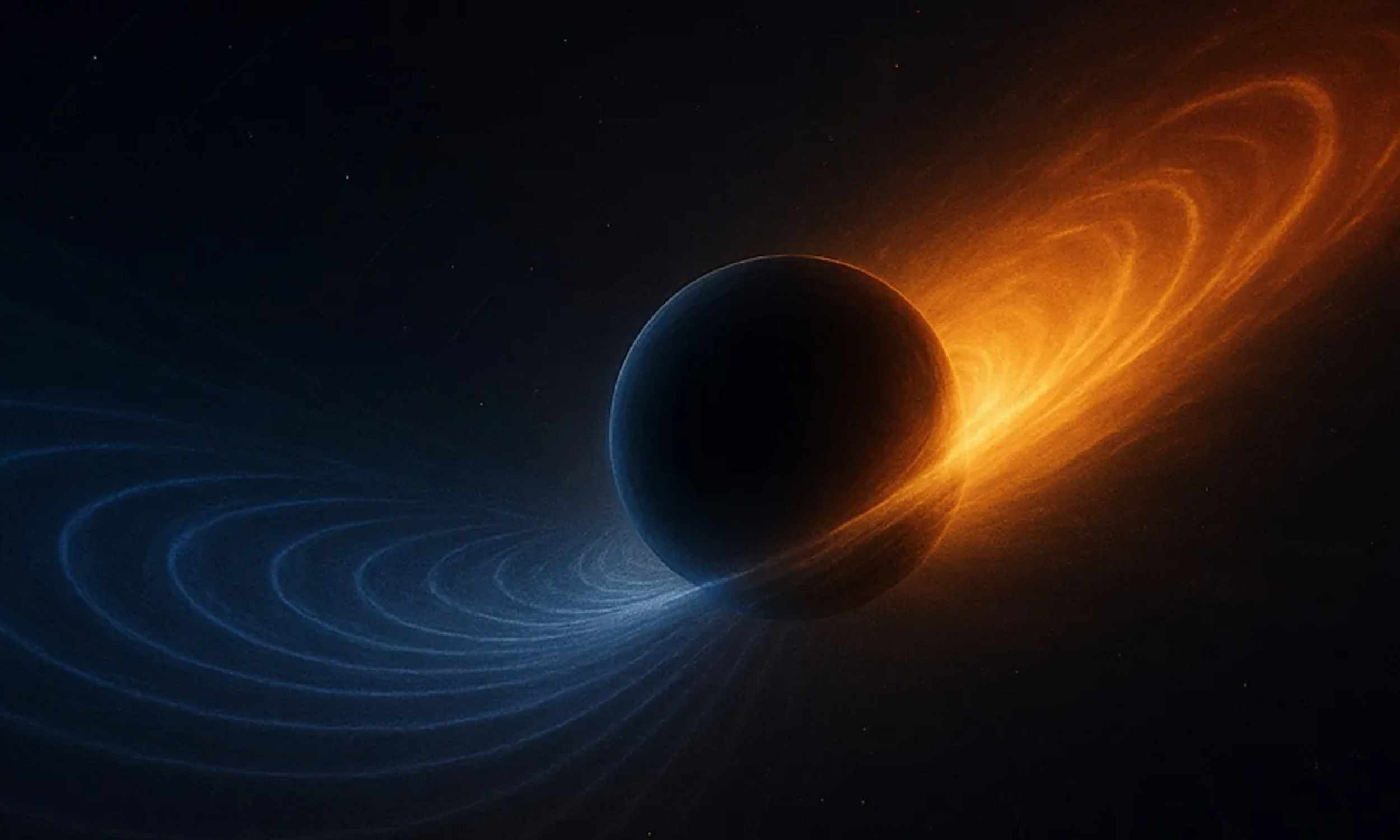
Astronomers spot a massive object crossing the galaxy at nearly 620 miles per second - Earth.com
Black hole GW190412 has been caught speeding away from its birth site at about 112,000 miles per hour (180,000 kilometers per hour).
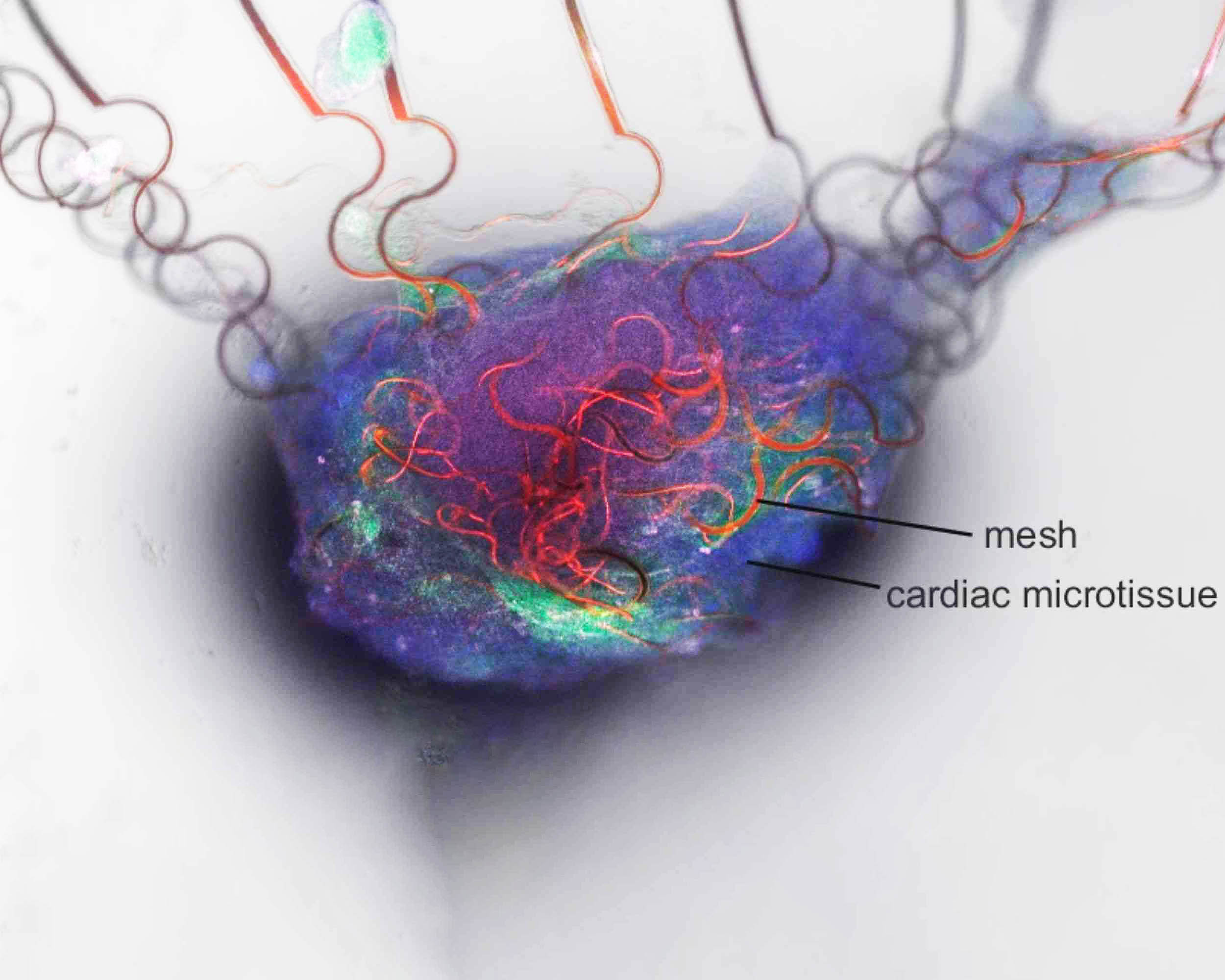
Scientists create the first artificial neuron capable of communicating with the human brain - Earth.com
Scientists created an artificial neuron that operates at the same voltage as living cells and is able to communicate with the human brain.
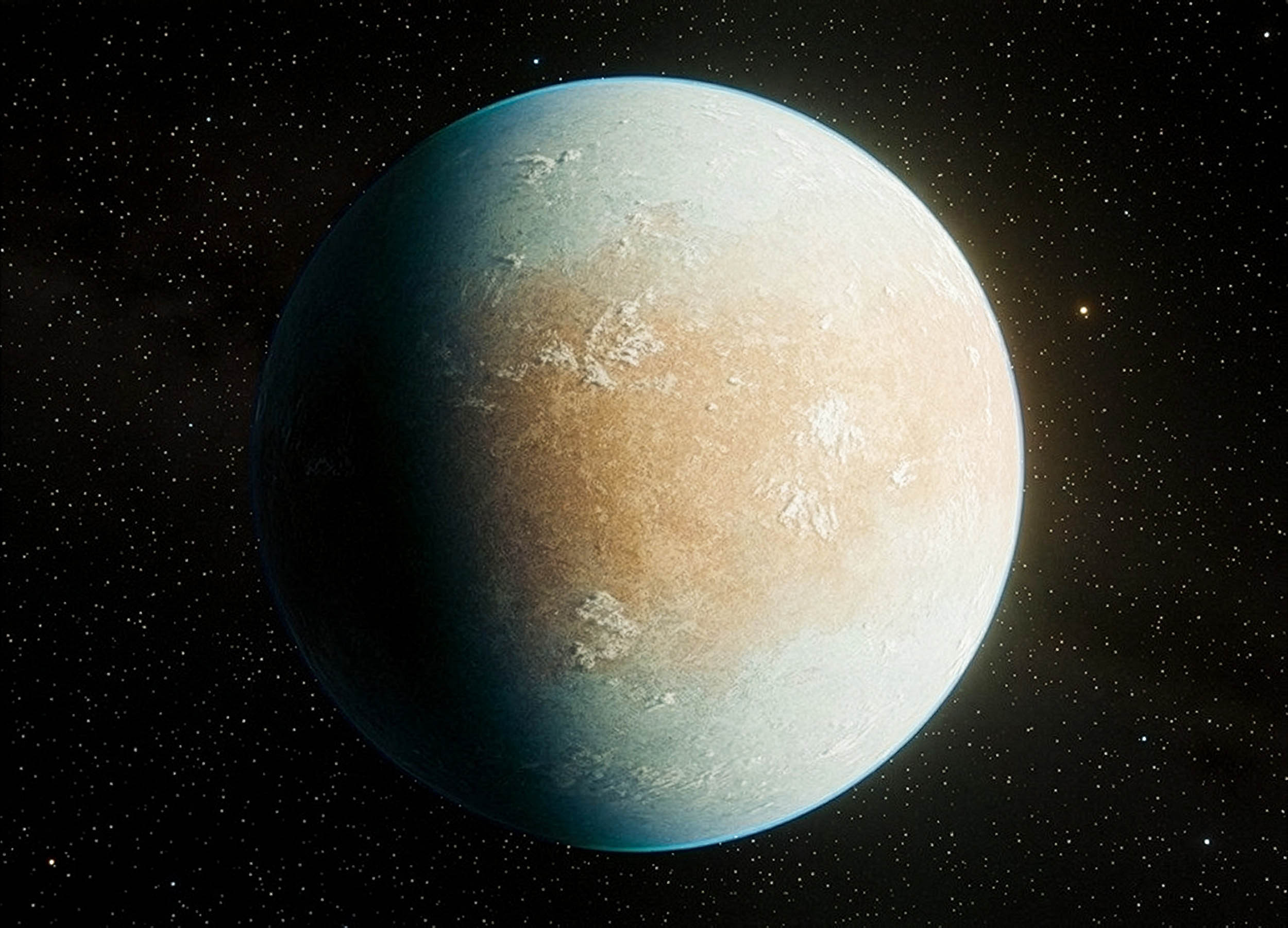
Earth-size exoplanet with a one-year orbit is the best candidate for life astronomers have found to date - Earth.com
Earth-size planet (HD 137010 b) found orbiting a nearby star once a year, making it a promising target for finding life.