News Categories
Latest News

More than 65% of all the fresh water on Earth sits in one part of the world — and it's almost entirely beyond our reach - Space Daily
Encyclopaedia Britannica reports that “the Antarctic Ice Sheet has a volume of 28 million cubic km (about 6.7 million cubic miles), which represents 70 percent of the total fresh water (including groundwater) in the world.” Seven-tenths of the planet’s fresh …
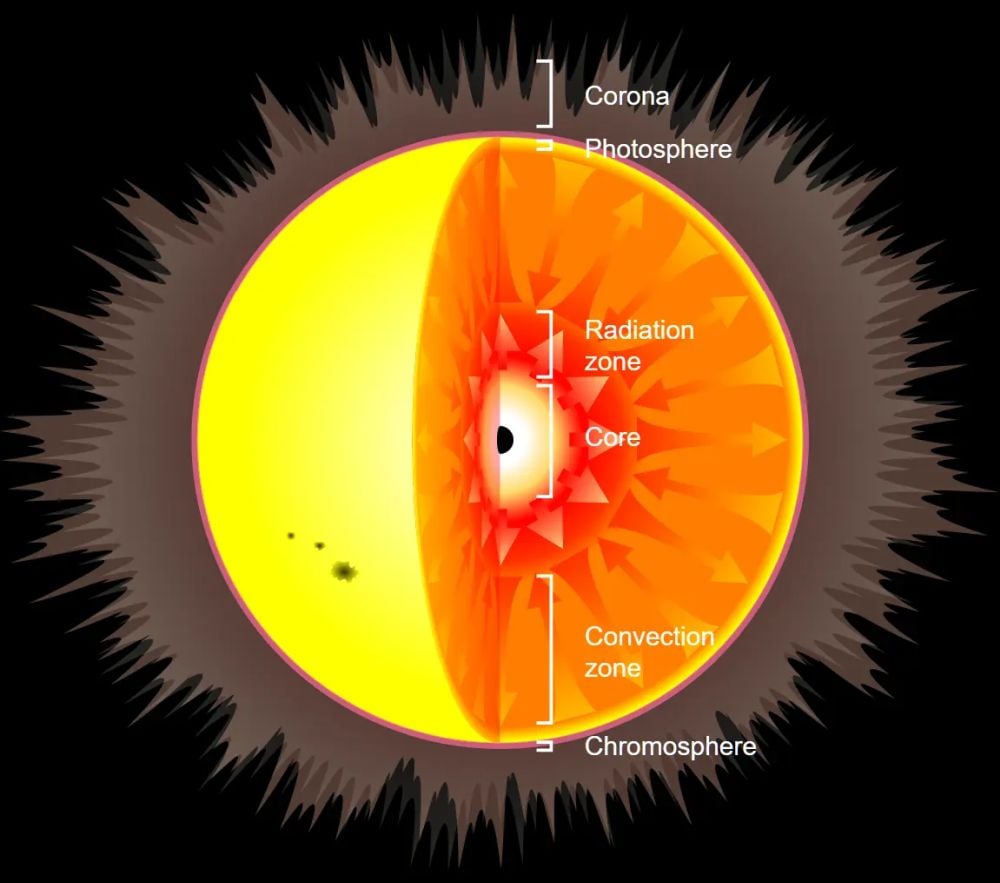
What Happens to a Star That Captures A Primordial Black Hole? - Universe Today
Stephen Hawking predicted that stars can capture primordial black holes (PBH). The PBH find their way to the stellar core, creating a Hawking star. There are two possible outcomes, both deadly for the star. Either it explodes rapidly, or it’s slowly consumed …
Your Consciousness Emerges From a Vast ‘Invisible’ Network, a Breakthrough Study Suggests - Yahoo
A staggering amount of brain activity takes place in this arena, where “countless signals come together to form a unified experience of reality.”
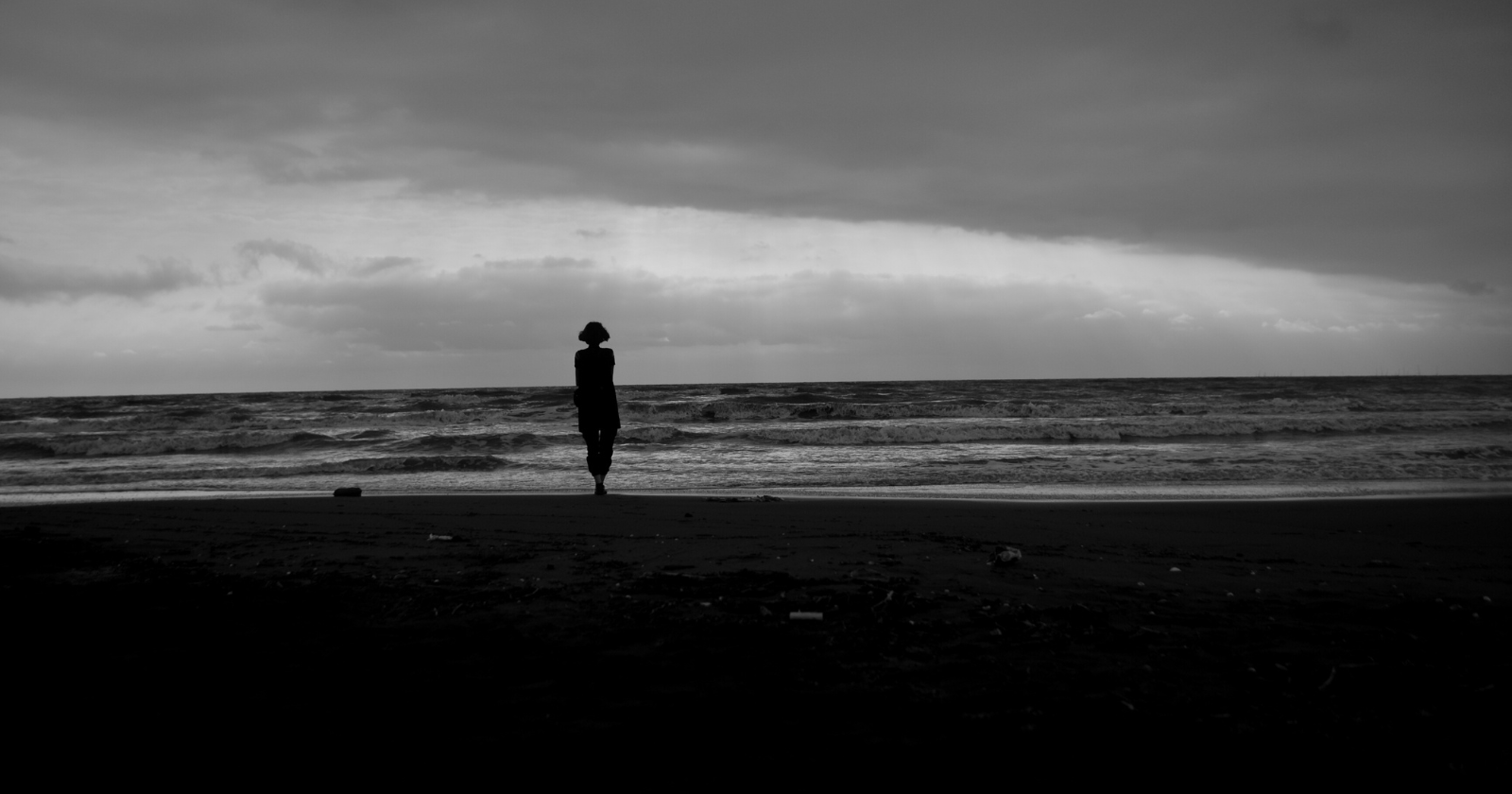
The most remote spot in the world is so remote that the nearest humans are often not on Earth at all - Space Daily
Picture a single point in the South Pacific, halfway between the Chatham Islands of New Zealand and southern Chile, where the water runs more than 4,000 metres deep and the nearest coastline lies a continent’s width away. There is nothing to mark it. No buoy,…

Deep-sea supergiant isopods last years without food by using a two-part survival system - Phys.org
The supergiant bathynomid is a deep-sea isopod famous for surviving more than five years without food. Despite residing in an extremely low-nutrient habitat, these organisms exhibit pronounced body gigantism, a trait that requires substantial energy. This rai…
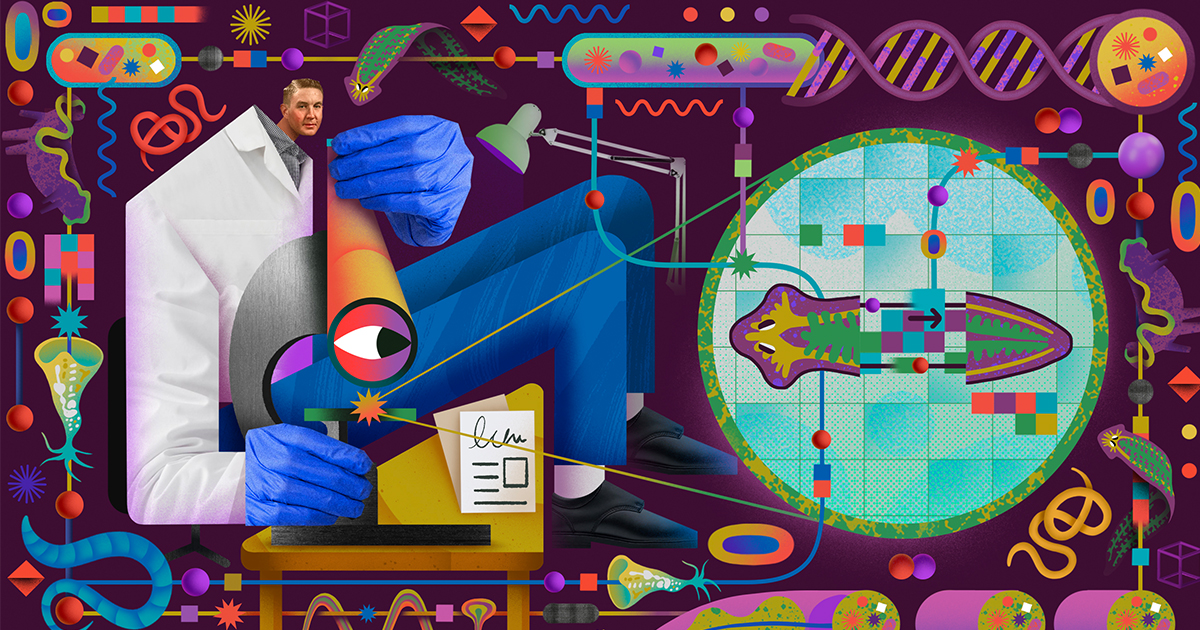
Are Memories Transferable — or Edible? - Quanta Magazine
In the 1960s, worm-training experiments and their strange implications captivated the nation. Columnist Claire L. Evans follows the neuroscientists who attempted to recapture the magic.