News Categories
Latest News
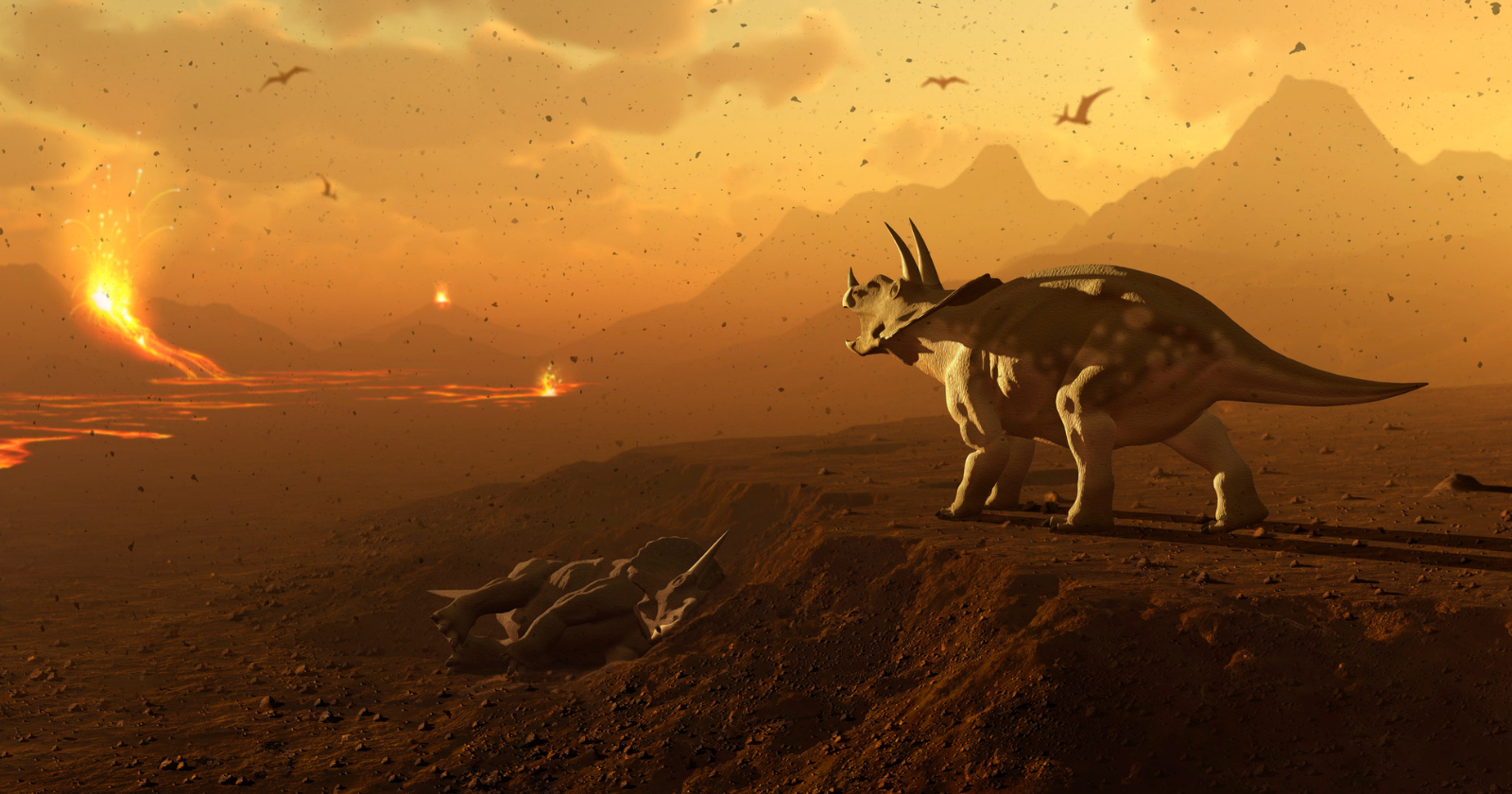
One of the earliest great extinctions in Earth's history may have been caused not by an asteroid or a volcano but by oxygen itself, when tiny photosynthetic microbes slowly filled the air with a gas that was poison to much of the anaerobic life that ruled the planet - Space Daily
Around 2.4 billion years ago, the air over Earth began to change. Microbes in the oceans, the cyanobacteria, had been running a chemical reaction that split water and released oxygen as waste. For a long time that oxygen was mopped up almost as fast as it was…

Almost all the gold on Earth — every wedding ring, every coin, every gram in every bank vault — was forged in the collision of dead stars billions of years ago, in events so violent that a single one can produce hundreds of Earth-masses of gold, and the heavy - Space Daily
On 17 August 2017, two neutron stars in a galaxy called NGC 4993, about 130 million light-years from Earth, completed a spiral inward that had taken them millions of years and ended in a collision lasting fractions of a second. The gravitational waves from th…
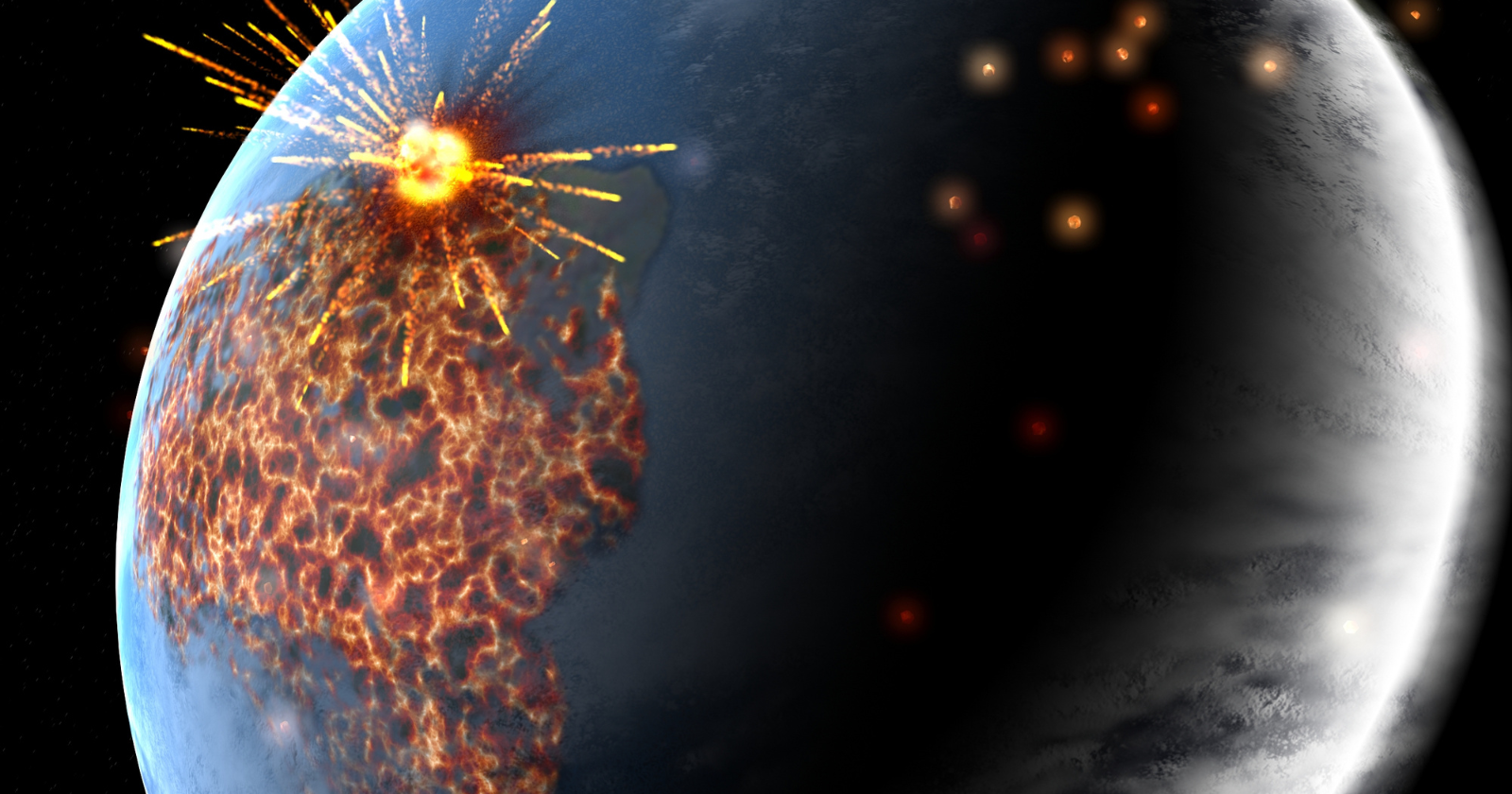
The asteroid that ended the dinosaurs did not just leave a crater, it turned the sky into a weapon, and the worst damage may have come after the impact itself was already over - Space Daily
About 66 million years ago, an asteroid roughly 10 to 12 kilometres across struck a shallow, sulfur-rich carbonate platform near what is now Chicxulub, on Mexico’s Yucatán Peninsula. It opened a crater close to 180 kilometres wide and marks the boundary at wh…
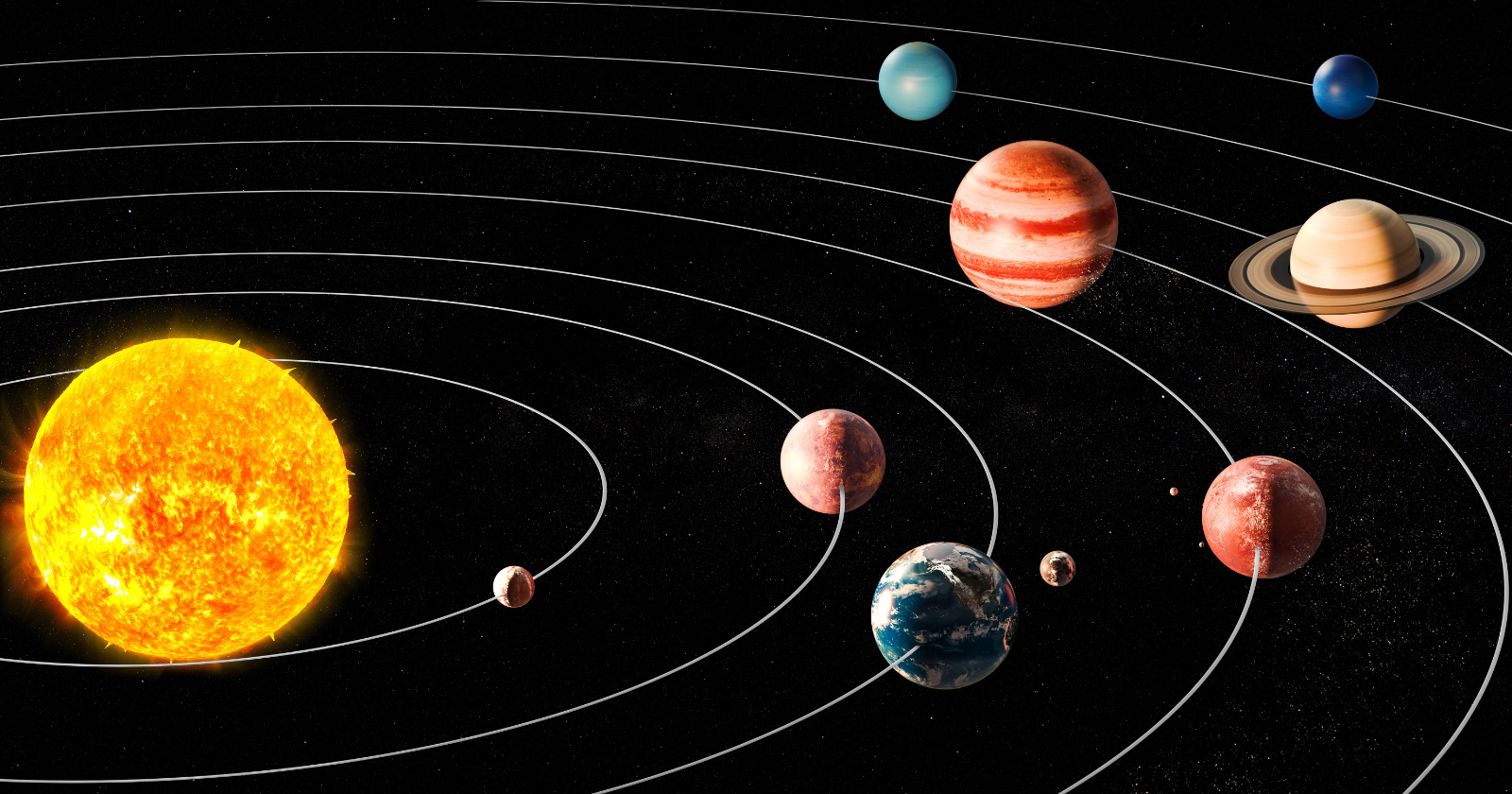
Almost everyone assumes Venus is our nearest neighbour, but averaged across its orbit the planet closest to Earth is actually Mercury - Space Daily
Most people would say Venus is Earth’s nearest planetary neighbour. Averaged across its orbit, though, the planet that stays closest to Earth is Mercury. The claim comes from a 2019 commentary in Physics Today by Tom Stockman, Gabriel Monroe and Samuel Cordne…
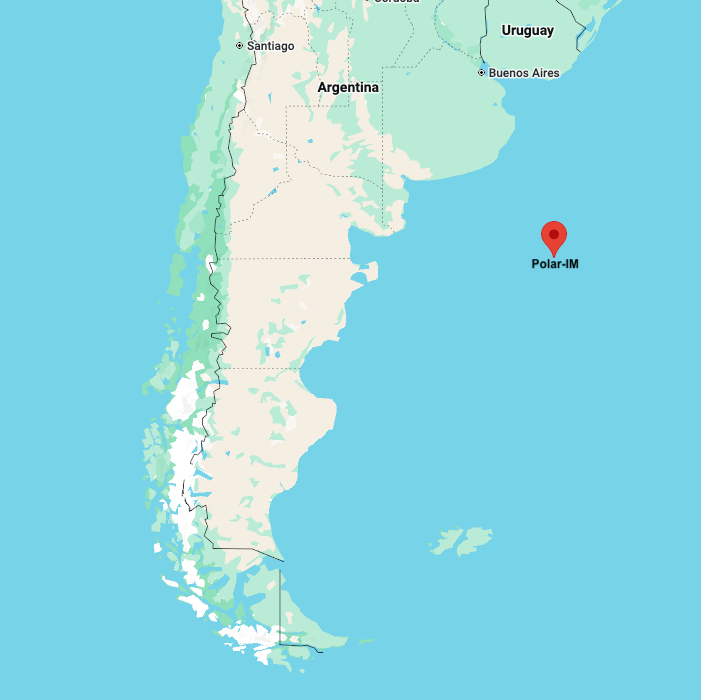
Discovery of a Polar Interstellar Meteor (Polar-IM) from April 1, 2026 - Avi Loeb – Medium
Following the rare meteor explosion over Boston at 2:06PM Eastern Time on May 30, 2026, I checked the database of NASA’s Center for…
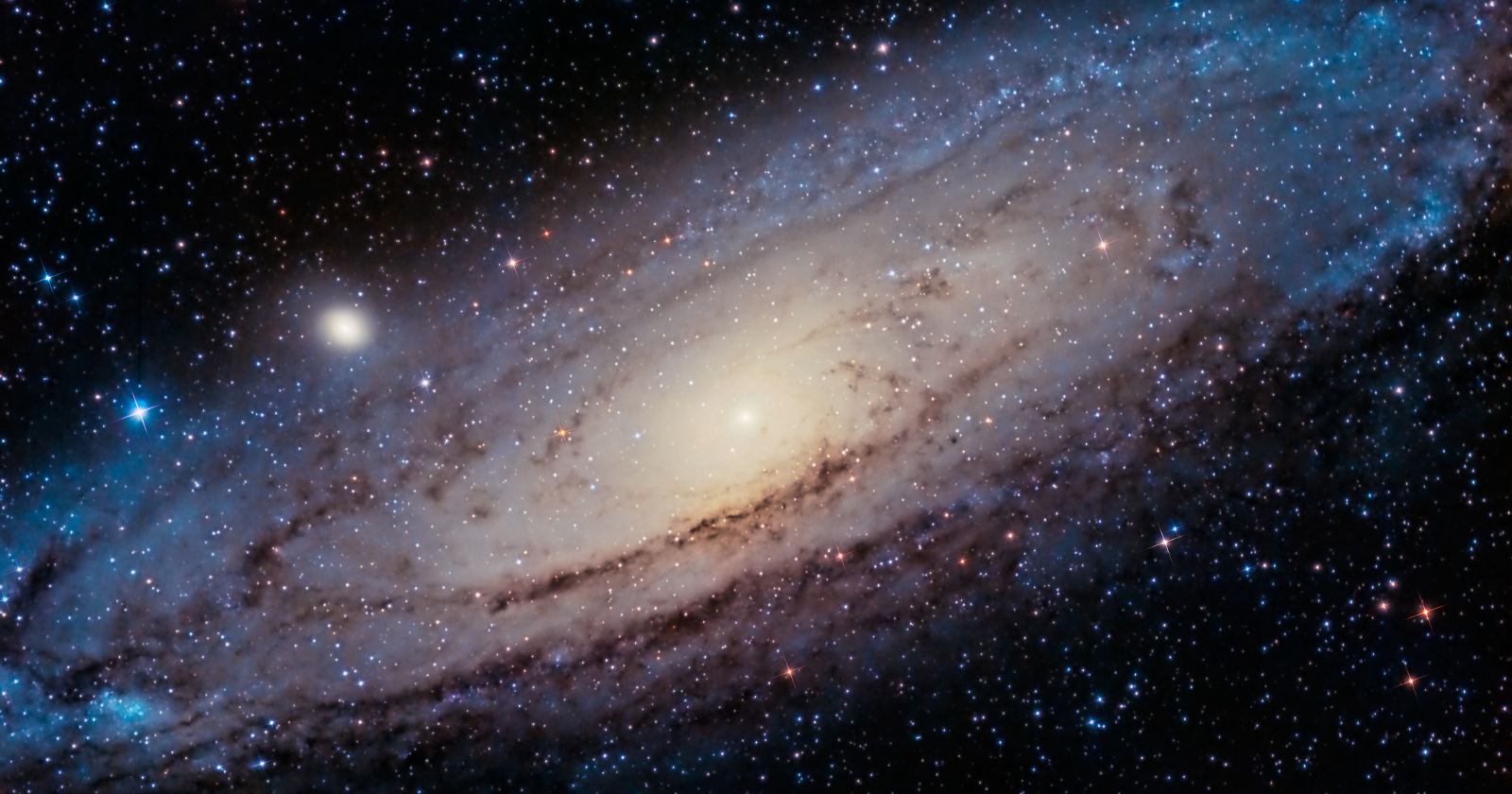
Much of what we know about the scale of the universe rests on a method worked out by a woman employed as a human computer at Harvard for a few cents an hour - Space Daily
Much of what we know about the scale of the universe rests on a method worked out by a woman who was employed, at the time, as a human computer at the Harvard College Observatory. Her name was Henrietta Swan Leavitt. She began as an unpaid volunteer and was l…